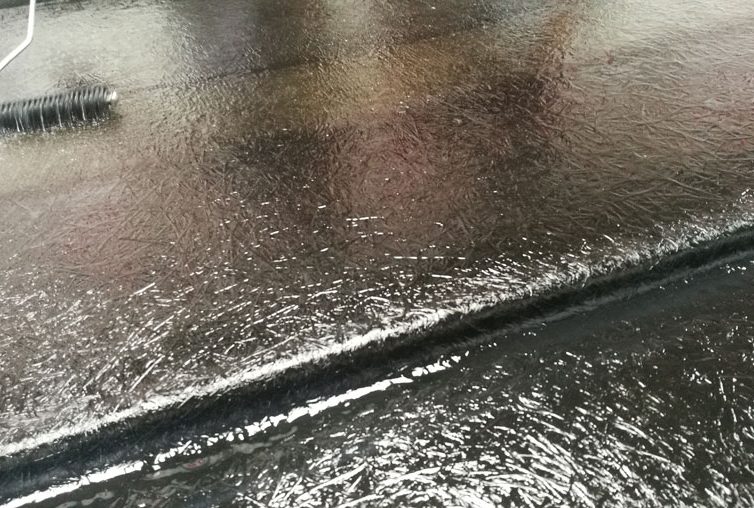
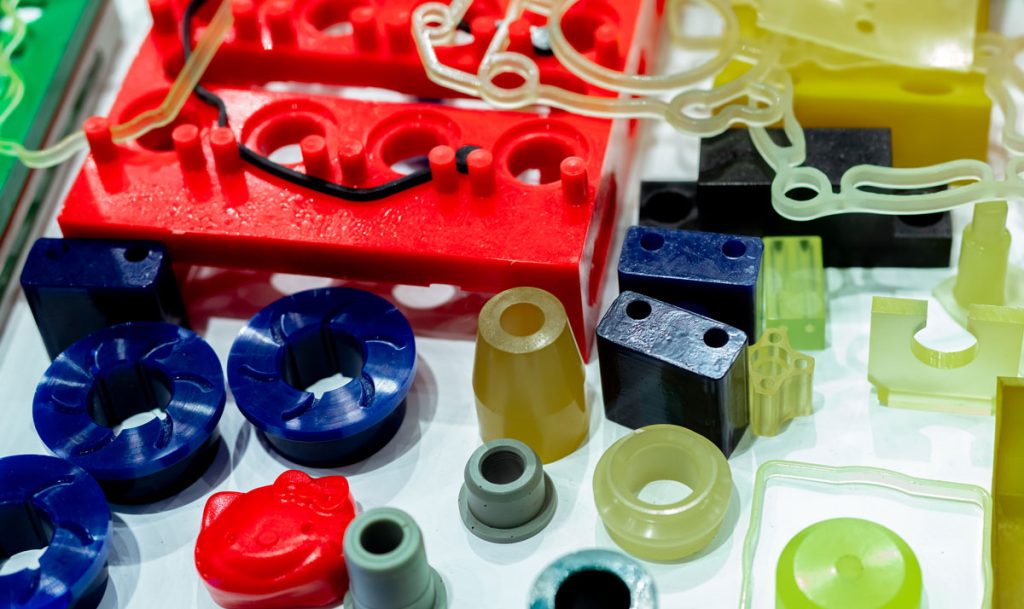
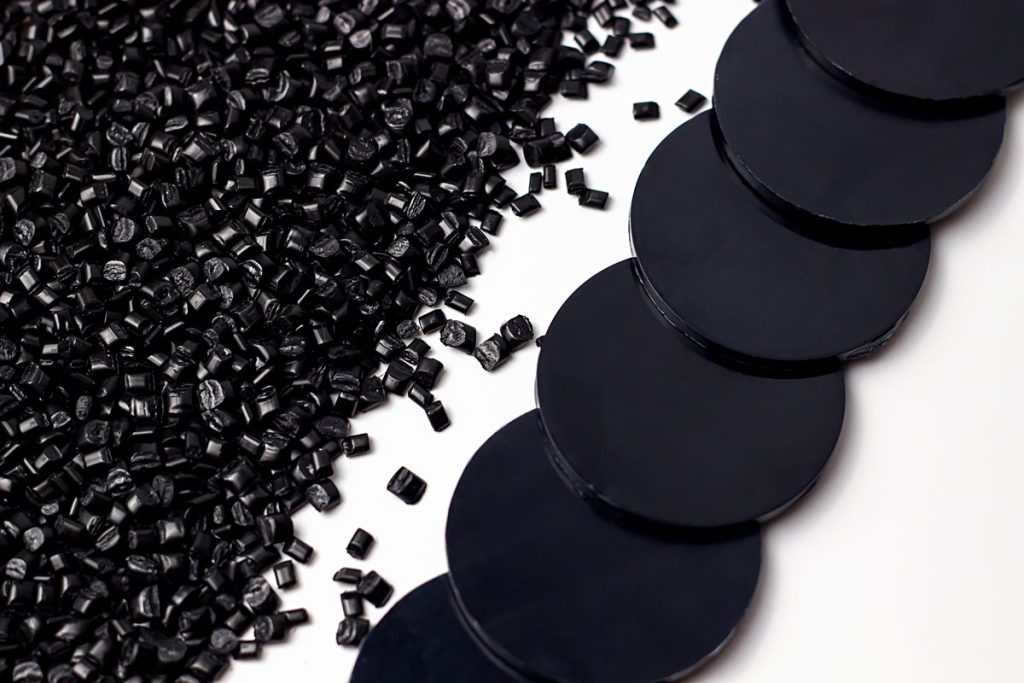
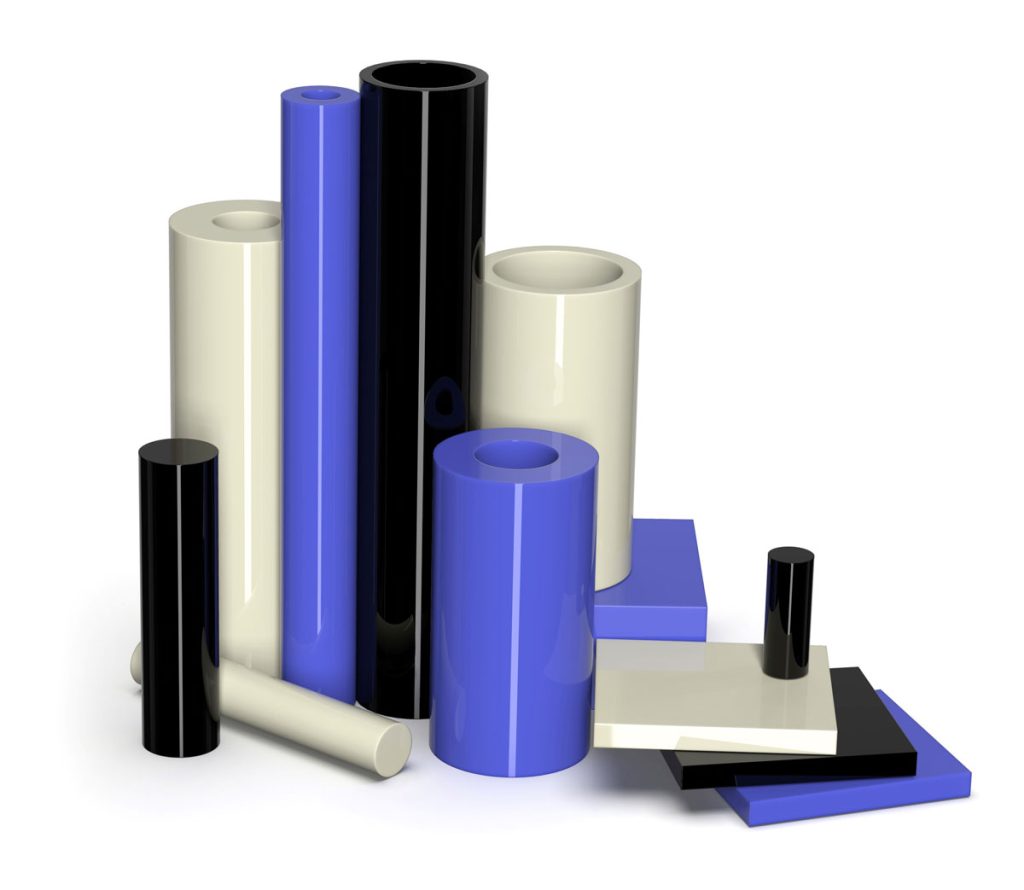
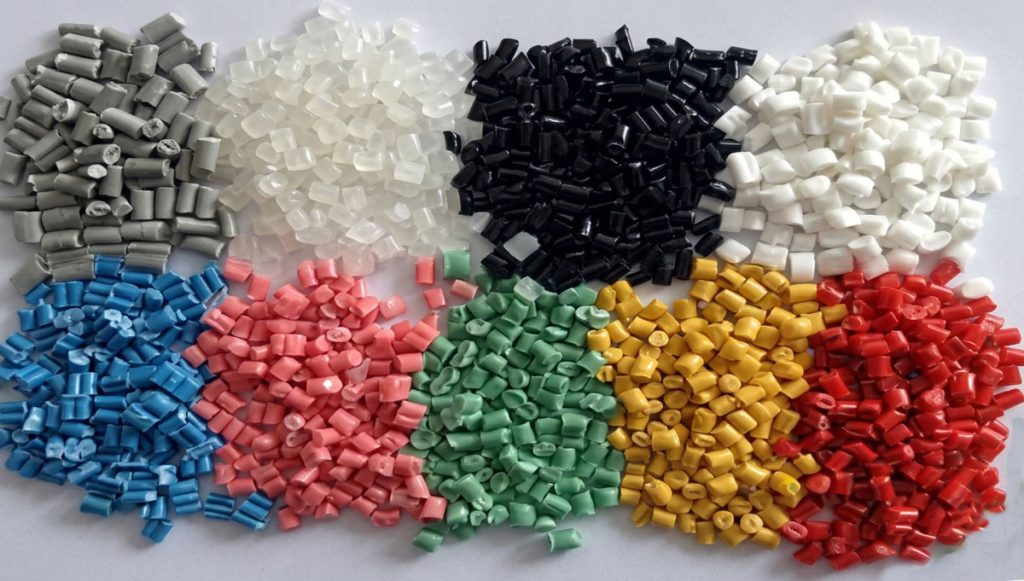
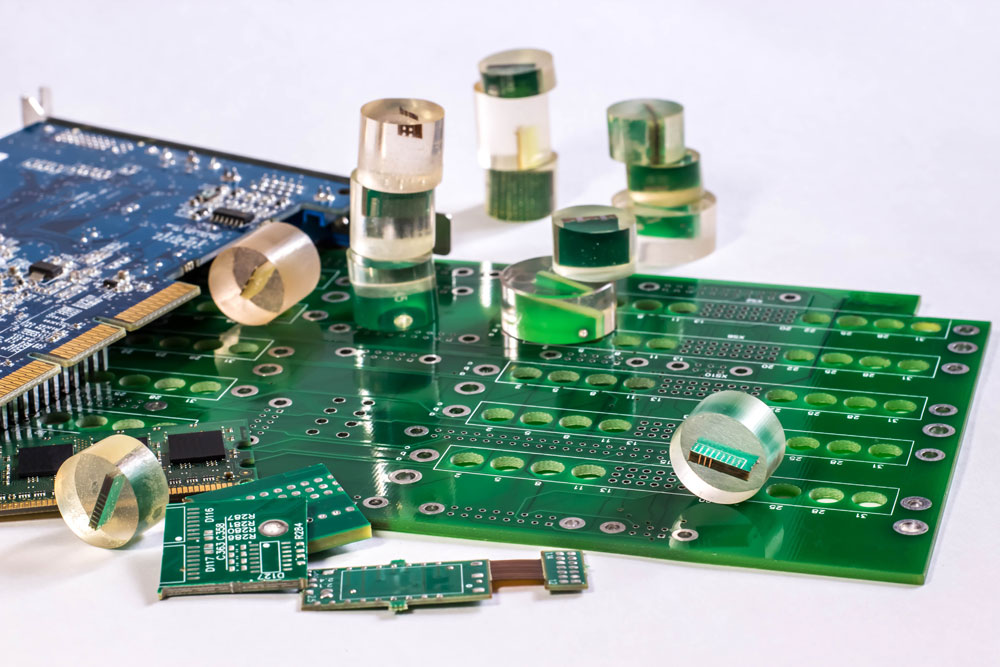
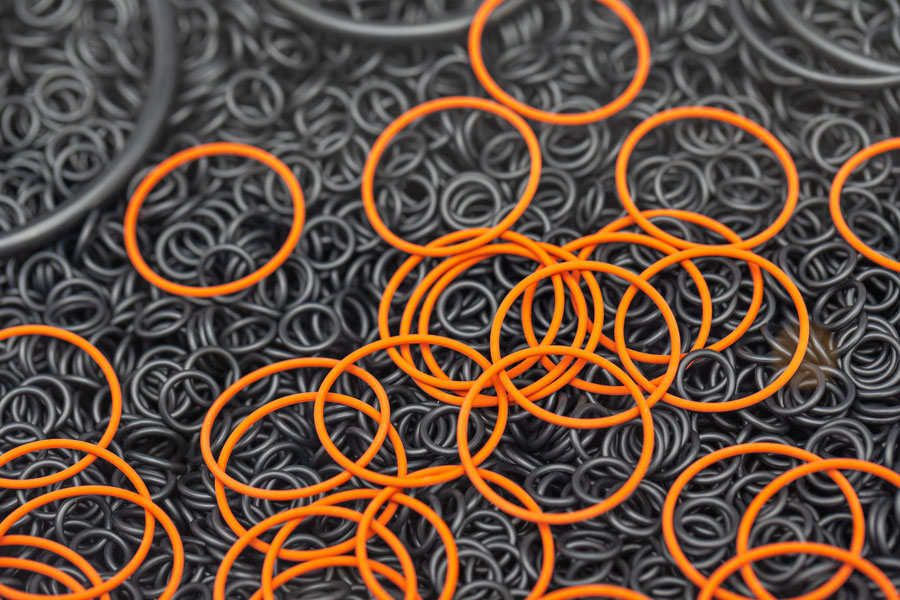
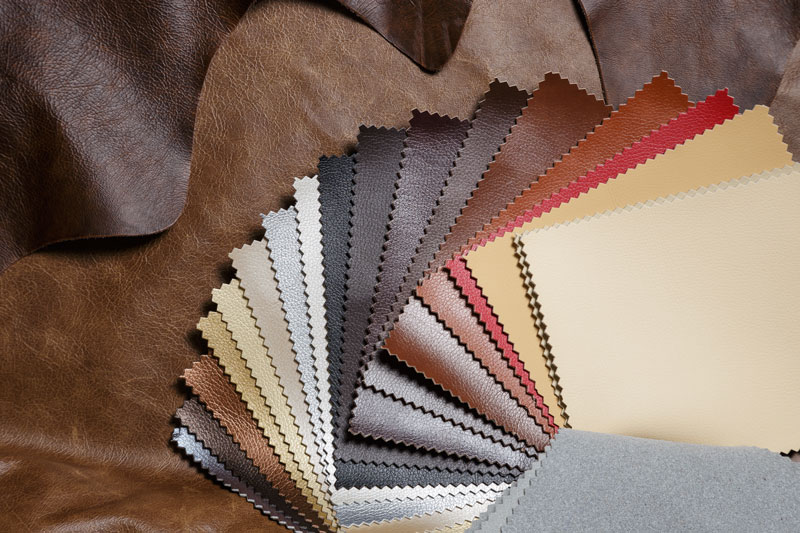
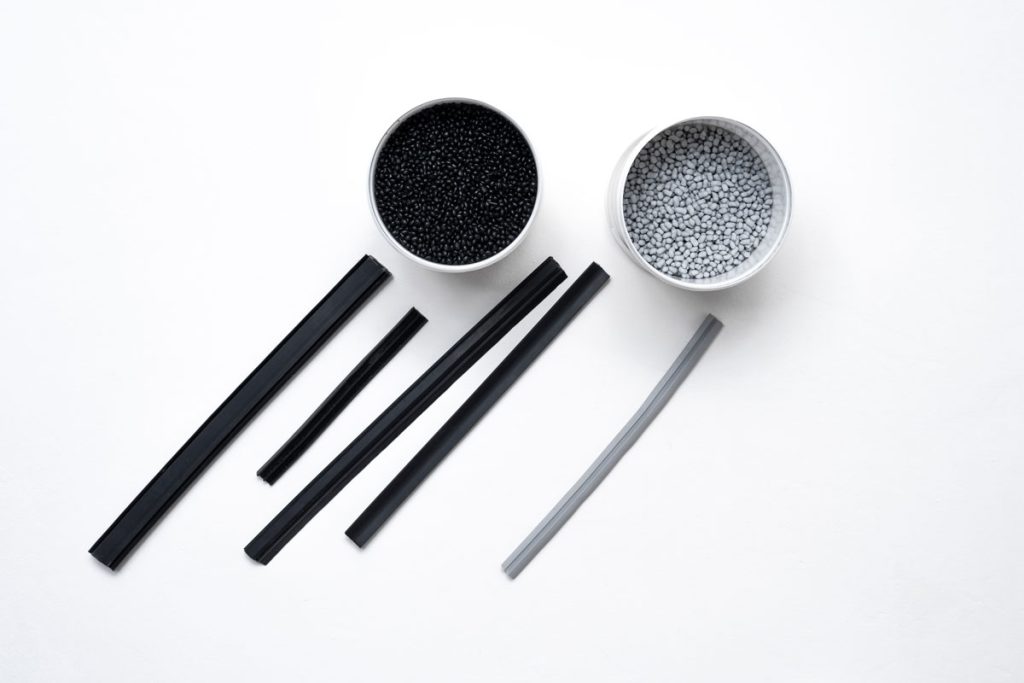
Partitalia’s RFID tags are constructed from durable materials with specific properties.
These include polyurethane and silicone for RFID wristbands used in swimming pool and gym access control; PVC and faux leather for RFID key fobs used for identification in corporate offices and hotels. Furthermore, nylon, engineered plastics, polymers, and printed circuit boards for hard tags operating in the most extreme conditions, as well as PET and fabric for RFID labels.
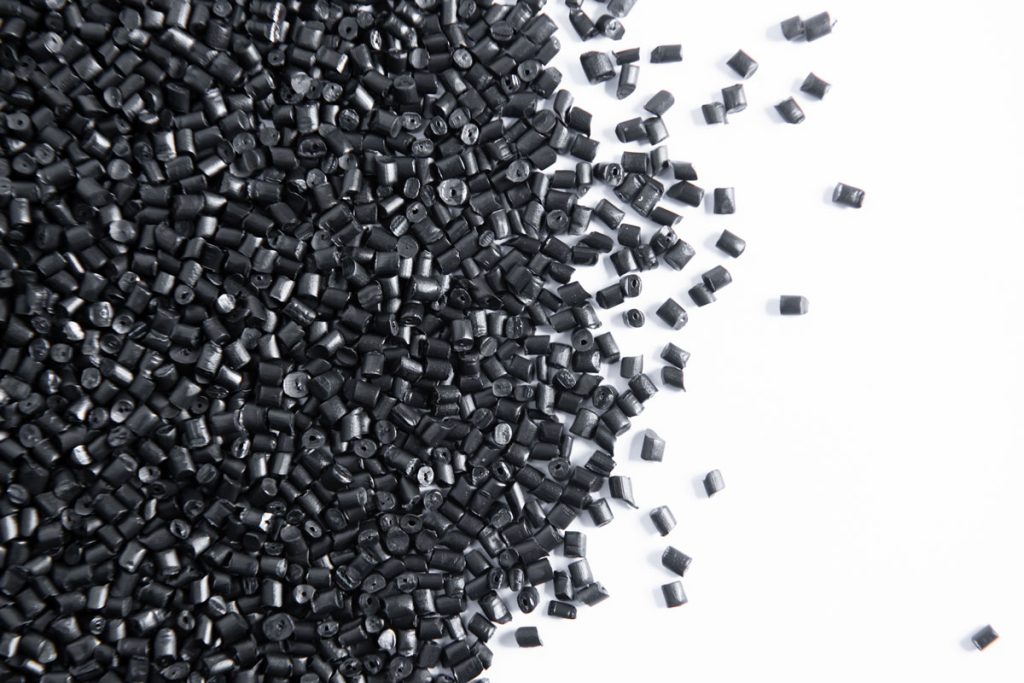
ABS (Acrylonitrile Butadiene Styrene) is a thermoplastic polymer with excellent mechanical characteristics, such as rigidity, hardness, impact resistance, and good stability at both low and high temperatures.
In the production of RFID tags, ABS is primarily used for hard tags designed for outdoor applications, such as outdoor industrial asset management and waste collection. Furthermore, it is ideal for manufacturing RFID key fobs for access control within swimming pools, campsites, and holiday resorts. ABS RFID tags can be customised using silkscreen and pad printing, while serialisation can be performed using laser and inkjet techniques.
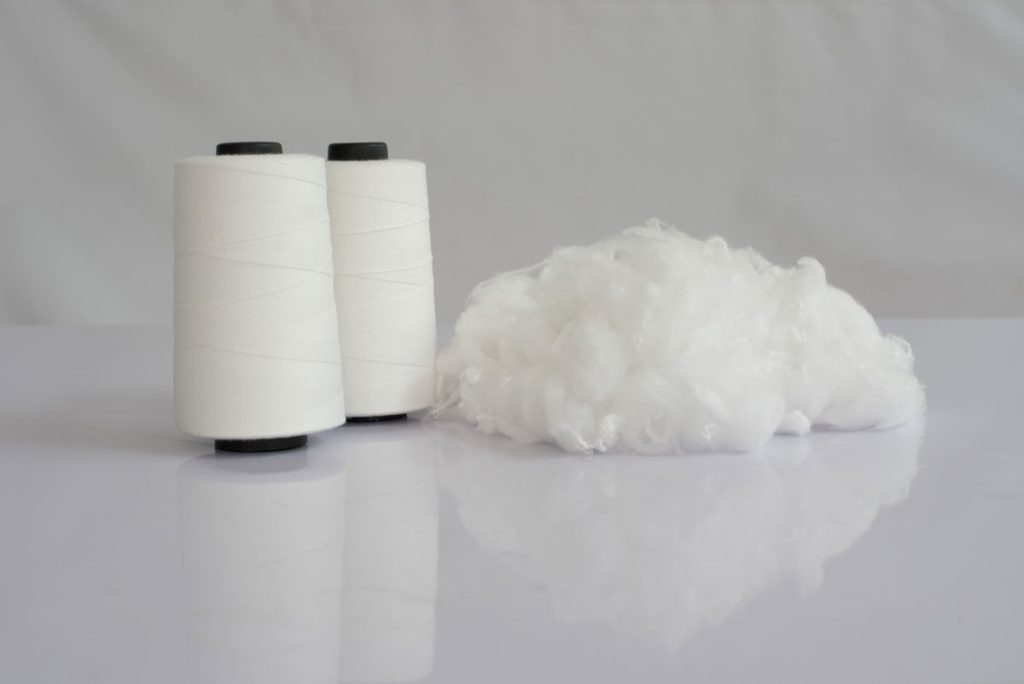
Paper, thanks to its flexibility, lightweight nature, and cost-effectiveness, is the most widely used material in the production of RFID labels.
Paper RFID labels are ideal for applications in logistics, asset management, and inventory control. Printing and numbering are performed via offset or inkjet, for both colour and black-and-white designs, and through thermographic printing for black-and-white designs.
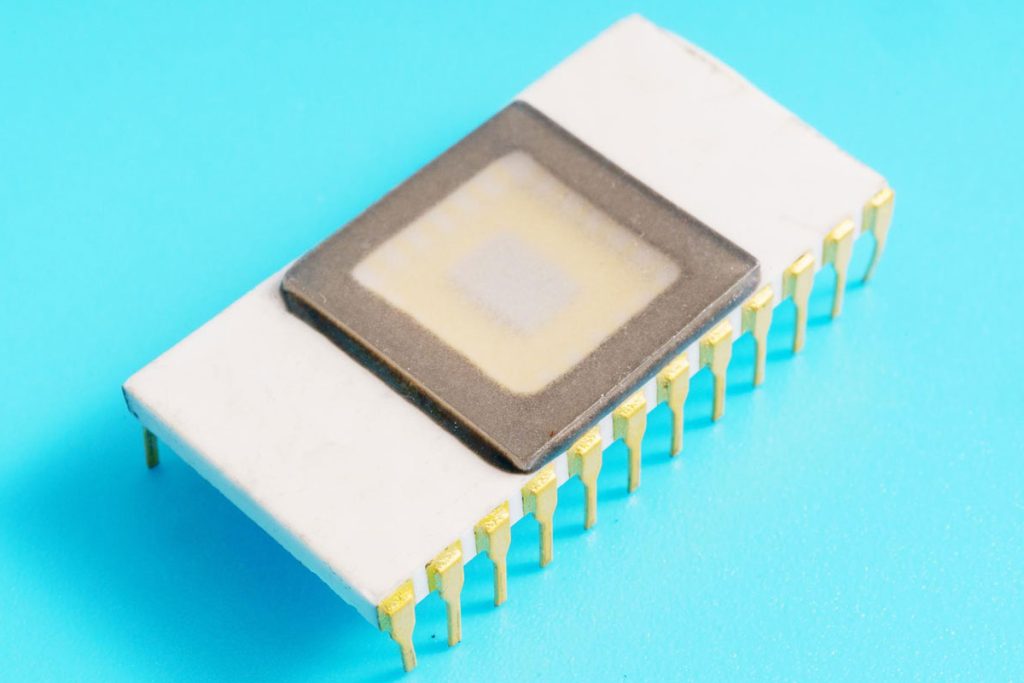
Ceramics are characterised by their hardness, low electrical conductivity, and the ability to withstand high temperatures.
In the production of RFID tags, ceramics are used for specific hard tags designed for data transmission within the IoT (Internet of Things), for instance, in the consumer electronics and healthcare sectors.
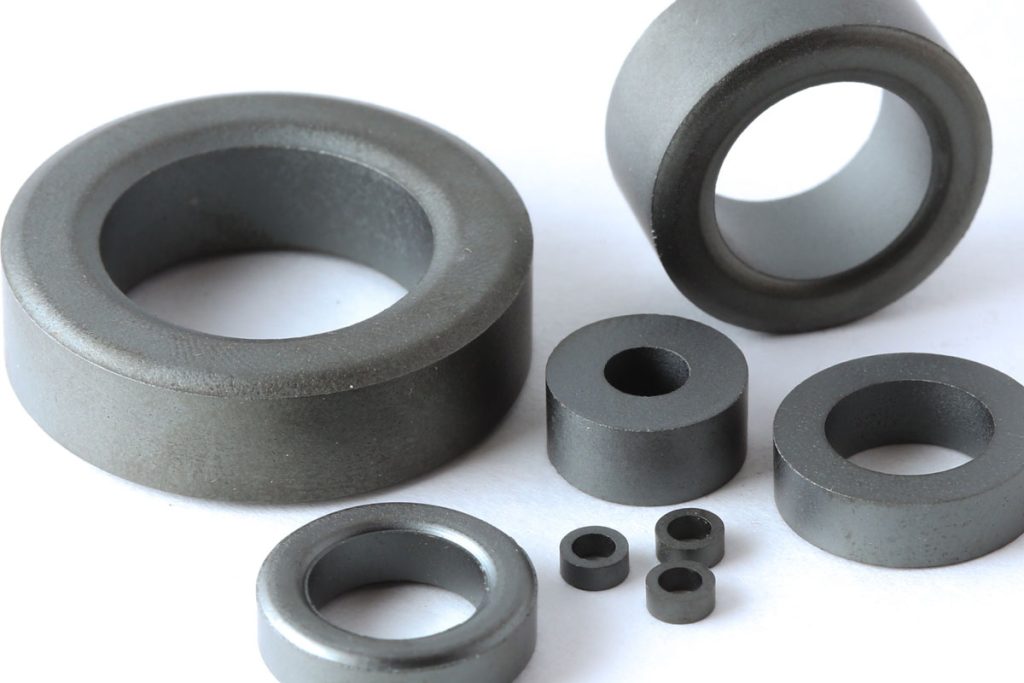
Ferrite is a material composed of ceramic and iron oxide, with excellent magnetic properties. It is a good insulator from an electrical perspective.
Ferrite is used to produce RFID hard tags ideal for inventory management, traceability, and product identification.
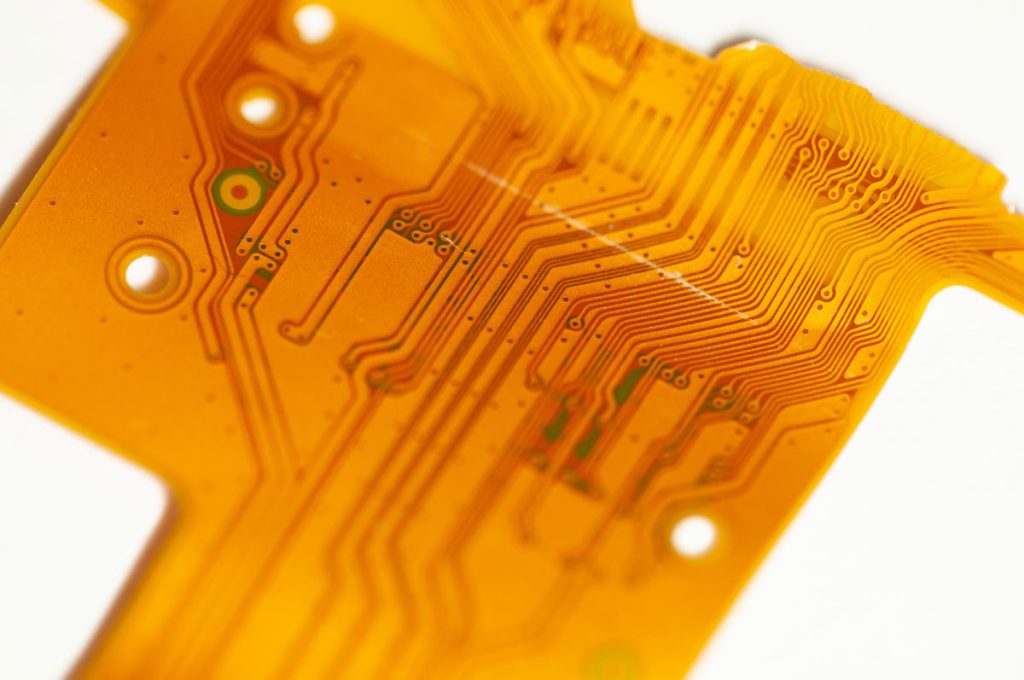
FPC (Flexible Printed Circuits) is a printed circuit consisting of a polyamide or polyester film, characterised by its lightweight nature, thin profile, and flexibility.
It is used in the production of mould tags: specific RFID hard tags that are embedded into the product during the manufacturing process via injection moulding.
FR4 (Flame Retardant) is a composite material consisting of glass fibre with an epoxy resin matrix, which makes it flame retardant.
Characterised by high electrical resistance and a very low moisture absorption rate, FR4 is used in the production of hard tags for the management of metal racking within warehouses.
Nylon taffeta is a synthetic fabric that is smooth, soft, and resistant to wear.
Thanks to its characteristics, this fabric is used in the production of RFID labels for traceability within the fashion industry, sewn directly onto the garment to be identified. Nylon taffeta RFID labels can be customised using thermographic printers.
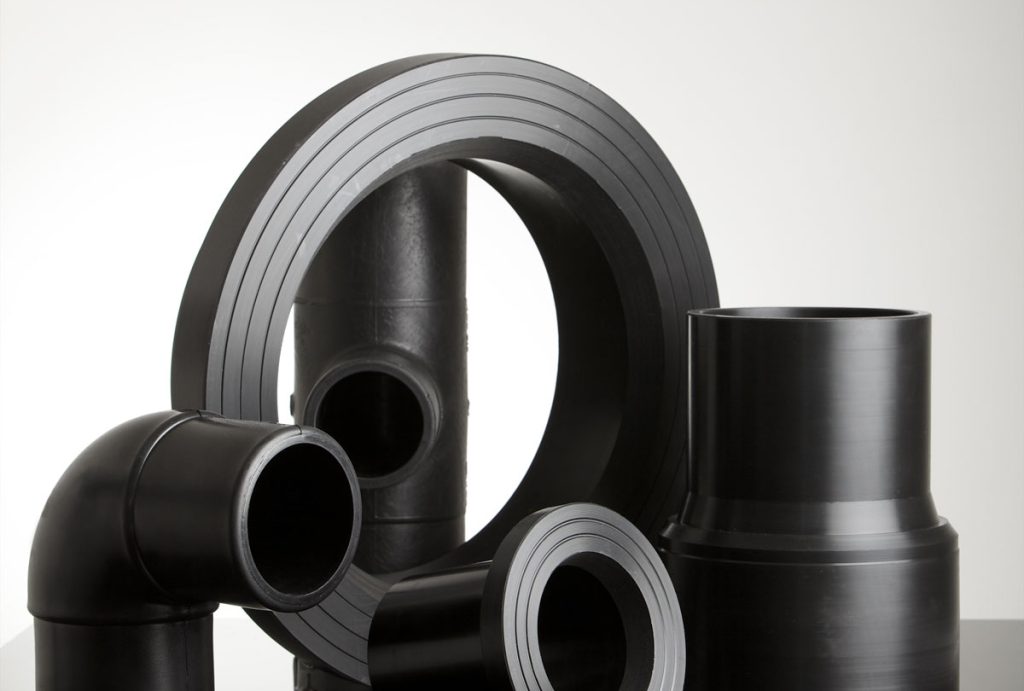
PA6 (nylon) is a plastic material with excellent mechanical characteristics: it is resistant to tensile stress, compression, and impacts, as well as prolonged immersion in water and weathering.
PA6 is used to manufacture RFID key fobs for access control within swimming pools, thermal spas, gyms, hotels, and campsites. Furthermore, it is widely used to produce bin tags — cylindrical tags for identifying waste bins — and RFID hard tags for industrial applications. Various techniques are used to customise PA6 tags: embossing for bin tags, and silkscreen printing or laser engraving for hard tags and wristbands.
PA6+30GF is a polyamide reinforced with 30% glass fibre, which provides the nylon with increased rigidity, compressive strength, and dimensional stability.
It is used in the production of RFID hard tags widely utilised in supply chain management, asset management, and inventory control. PA6+30GF hard tags can be customised with logos via pad printing and laser engraving, while serialisation is performed using laser technique.
PA66 is a type of nylon distinguished by its excellent mechanical characteristics: hardness, rigidity, and resistance to wear and abrasion. Furthermore, it is resistant to heat and weathering.
It is used in the production of cable tie tags, RFID hard tags designed in the form of a tie-wrap for applications in asset management, supply chain, and factory automation. PA66 RFID hard tags can be customised using laser engraving.
PA9T is a nylon resin characterised by exceptional properties in terms of dimensional stability, fluidity, and resistance to heat, chemicals, and abrasion.
Also resistant to dust and prolonged immersion in water, it is used in the production of RFID hard tags for industrial maintenance and asset management. Logo printing on PA9T hard tags is performed via pad printing or laser engraving, while numbering is applied using laser technique.
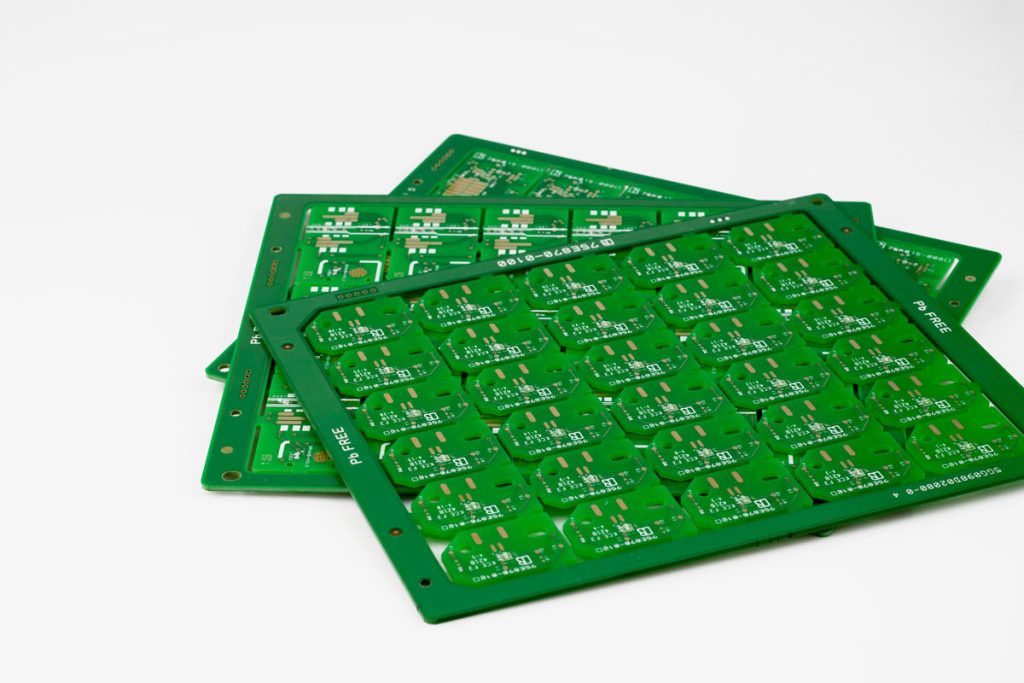
A PCB (Printed Circuit Board) is an insulating circuit used to interconnect electronic components.
Protected by a glass-reinforced plastic (fiberglass) board, which is covered with a thin layer of metal following the lamination process, PCBs are used to produce small RFID hard tags. These are ideal for supply chain management, asset management, and inventory control.
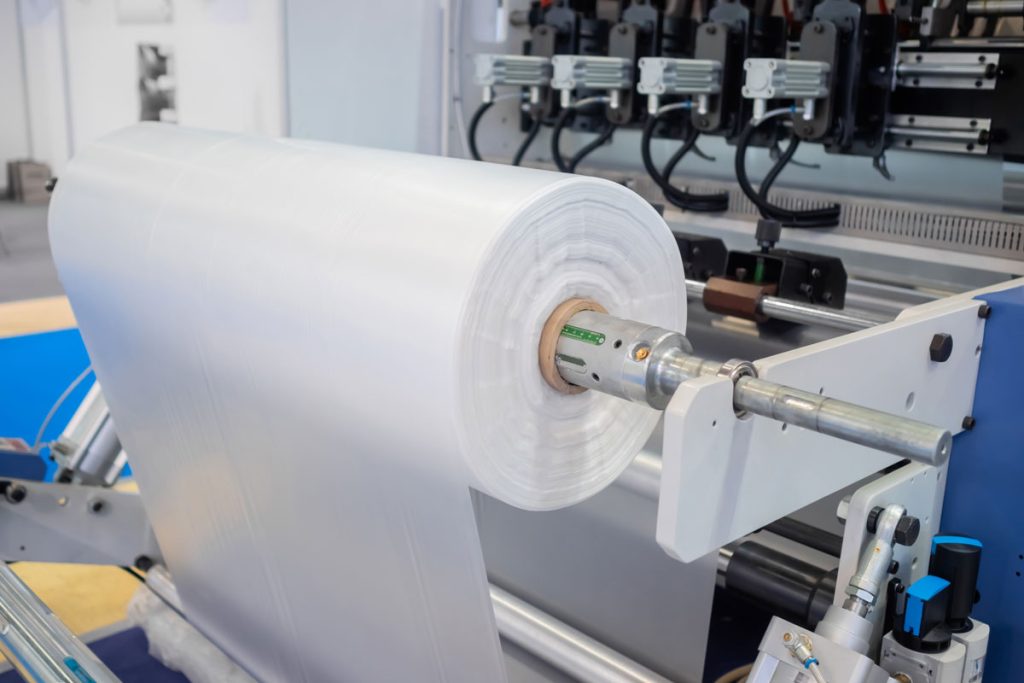
PET (polyethylene terephthalate) is a thermoplastic material characterised by excellent resistance to high temperatures, high mechanical strength, and wear resistance.
PET plastic is used in the production of various types of RFID tags: RFID wristbands for access control in hotels, campsites, hospitals, and airports, as well as RFID labels and RFID wet inlays for asset management, logistics, and waste collection.
PET RFID wristbands can be customised using offset printing, while RFID labels can also be printed using inkjet and thermographic printing.
Engineering plastics offer high performance from both mechanical and physical perspectives: they are, in fact, resistant to mechanical stress, chemicals, and both high and low temperatures.
This specific type of plastic is used for the production of RFID hard tags for asset management and logistics. Printing and numbering can be performed using laser technique.
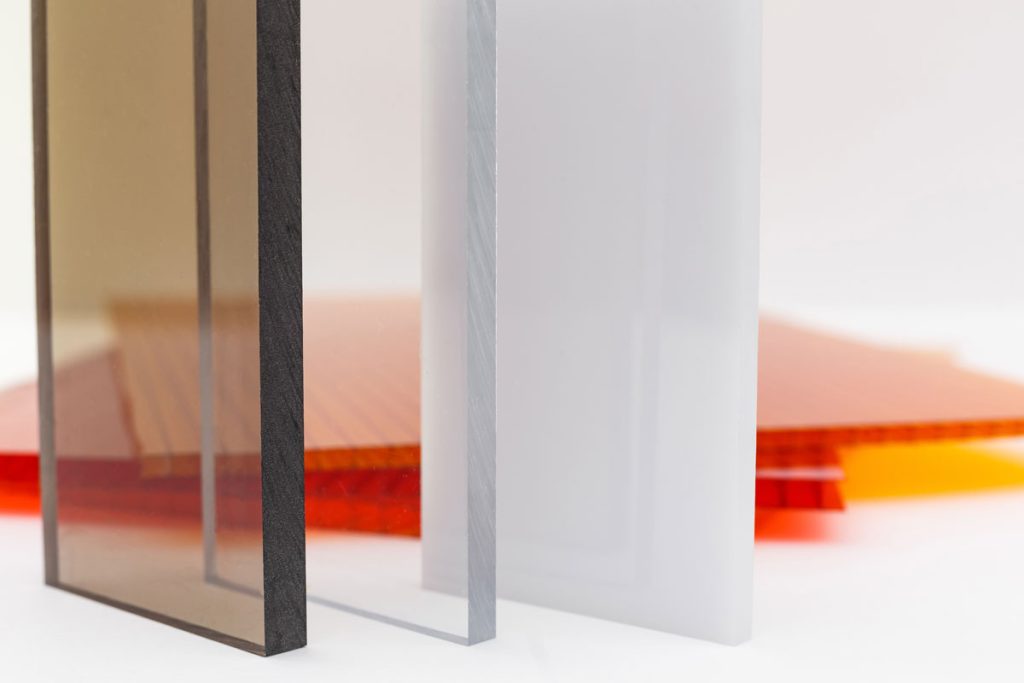
Polycarbonate is a thermoplastic material characterised by high thermal resistance, fire resistance, impact strength, hardness, and dimensional stability.
It is used to produce RFID hard tags designed for critical outdoor applications that require durability and robustness. The customisation of polycarbonate RFID tags is performed using laser engraving.
Polyester is a synthetic fabric that offers excellent resistance to tearing, wear, and abrasion, as well as to mould and bacteria.
Thanks to its specific characteristics, it is used in the production of RFID wristbands for access control in humid environments, such as gyms, fitness centres, swimming pools, and water parks. Furthermore, as it is a soft, smooth fibre that is comfortable to wear, it is also used for the production of RFID labels sewn into garments for traceability within the fashion industry.
Polyester RFID wristbands can be customised using digital printing, while numbering is performed via thermographic printer; conversely, on polyester RFID labels, both printing and serialisation can be carried out using laser techniques.
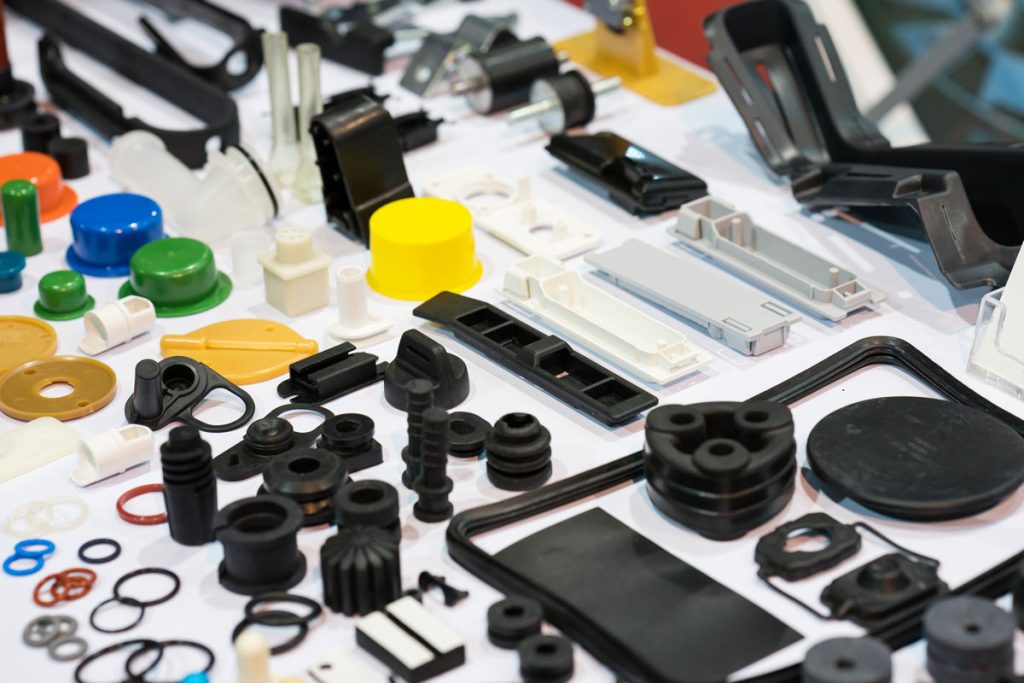
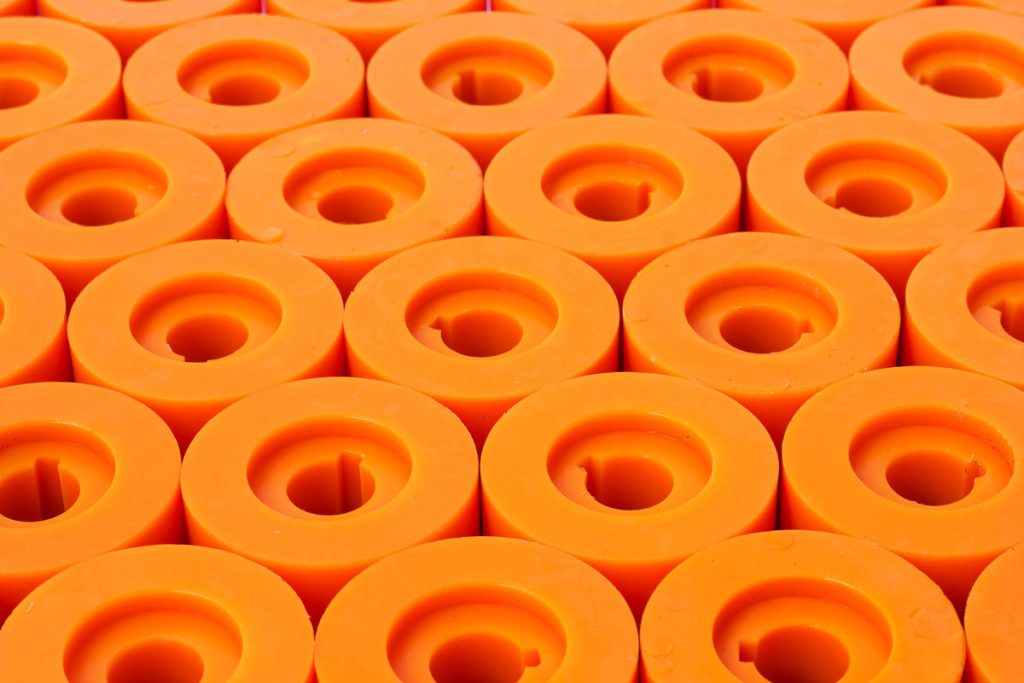
Polyurethane is a plastic material — specifically an elastomeric polymer — that is waterproof and stands out for its excellent resistance to moisture and salt spray.
It is used in the production of RFID wristbands, widely utilised for access control and identification within swimming pools, thermal spas, water parks, campsites, and holiday resorts. Polyurethane RFID wristbands are customised using offset and epoxy printing, while serialisation can be performed using laser or inkjet techniques.
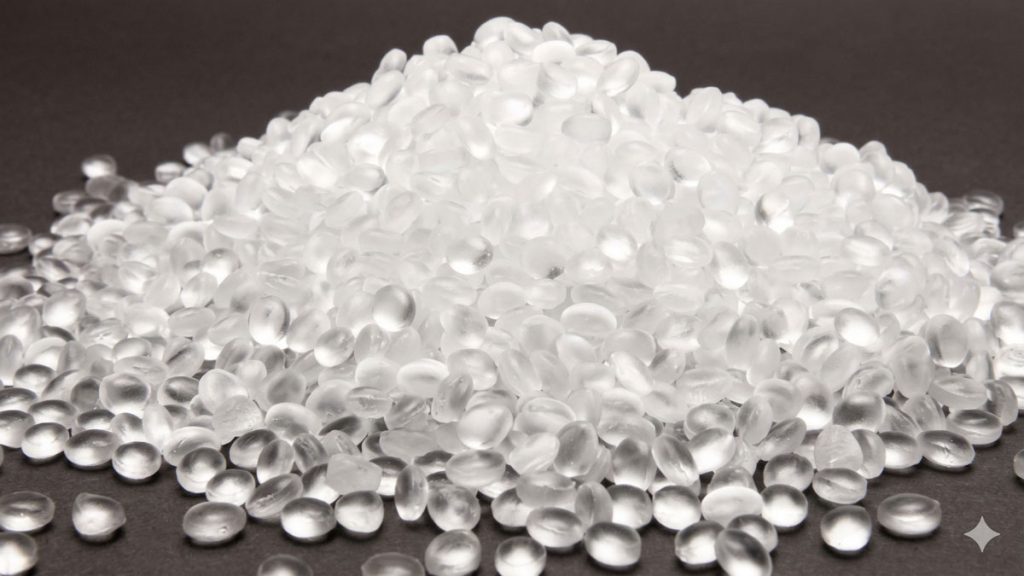
PP (polypropylene) is a ductile thermoplastic material characterised by high shock resistance and the ability to withstand very high temperatures.
Polypropylene is particularly widespread in the production of RFID labels used in asset management, logistics, access control, and vehicle inventory. PP RFID labels can be customised using offset or inkjet printing for both colour and black-and-white designs, and via thermographic printing for black-and-white designs.
PPA (polyphthalamide) is a thermoplastic material with high resistance to chemicals, moisture, and very high temperatures. It possesses superior resistance to breakage and deformation.
Polyphthalamide is used for the production of RFID hard tags for industrial use and asset tracking. PPA RFID tags are customised using silkscreen and pad printing, while serialisation can be performed using laser technology.
PPS (polyphenylene sulphide) is a thermoplastic polymer characterised by high chemical and tensile resistance, hardness, and exceptional thermal resistance (up to over 200°C).
For these reasons, PPS is used in the production of RFID hard tags designed for industrial applications and industrial laundries. The serialisation and customisation of PPS RFID tags are performed using laser technology.
PVC (polyvinyl chloride) is a thermoplastic material derived from a combination of sodium chloride and petroleum. It is characterised by high chemical resistance, elasticity, good temperature tolerance — with an operating temperature range between -10°C and 60°C — and ease of processing.
Thanks to its excellent properties, PVC is used to produce RFID wristbands, key fobs, hard tags, and labels. It is also used for clear disks: specific disk-shaped RFID tags consisting of a PVC layer encased between two transparent PET sheets, typically used for indoor localisation applications.
PVC RFID tags can be customised with prints and logos using pad printing, offset, and silkscreen printing, while numbering can be applied using laser or inkjet techniques.
Epoxy resin is a thermosetting polymer capable of resisting liquids, impacts, abrasions, extreme temperatures, weathering, and acids.
Thanks to its significant physical and chemical characteristics, epoxy resin is used to produce RFID hard tags for laundries and hospitals, specifically for the traceability of surgical gauze, hospital linen, and life-saving equipment. Epoxy hard tags can be customised using pad printing.
Silicone is a synthetic polymer distinguished by its flexibility and waterproof properties. It boasts excellent resistance to both low and very high temperatures, maintaining its elasticity even when subjected to thermal shock.
It is particularly widely used in the production of RFID wristbands for access control in swimming pools, spas, and holiday resorts. Silicone RFID wristbands can be customised with logos via pad printing, while numbering is applied using laser engraving.
Faux leather consists of a fabric core — either cotton or synthetic — coated with a layer of polyurethane. It is resistant to light and heat, waterproof, and durable.
With an appearance similar to genuine leather but offering much higher durability, faux leather is used for the production of RFID key fobs for access control in corporate offices and luxury resorts. Faux leather key fobs can be customised via pad printing, while serialisation is performed using laser engraving.
TPV (Thermoplastic vulcanizates) is an elastomer that combines the advantages of thermoplastic materials with those of rubber. This material maintains good dimensional stability at high temperatures and is resistant to tensile stress, tearing, UV ageing, ozone, and weathering.
It is used to produce RFID hard tags for the identification of machinery and equipment. TPV RFID tags can be customised using pad printing and laser engraving, while numbering is performed using laser technique.
Tyvek is a synthetic material with a paper-like appearance, yet it is robust, breathable, and characterised by high mechanical properties. It is resistant to water, abrasion, wear, and bacterial penetration.
Tyvek is used for RFID wristbands suitable for single-day use, access control, and identification within the tourism and events sectors. Tyvek wristbands can be customised using offset printing in a variety of colours, while serialisation is performed using inkjet techniques.
Glass is a transparent, chemically inert, and versatile material. It is used in the production of RFID glass tags for industrial use and animal tracking.
In particular, glass tags for the management of pets, livestock, and laboratory animals are produced using biocompatible glass, which can be ingested by the animal or applied via injection into the ear lobe. Glass RFID tags can be customised using laser technique.
In this section, we have compiled answers to the most common questions regarding the choice of materials for RFID tags.
For contexts characterised by humidity, salinity, or temperature fluctuations, such as swimming pools and wellness centres, the recommended materials are polyurethane and silicone. Polyurethane offers excellent resistance to salt water, while silicone maintains perfect elasticity even in the presence of thermal shocks.
Certainly. Partitalia’s RFID hard tags are manufactured using high-performance materials specifically designed for critical conditions: PPS is ideal for industrial laundries thanks to its resistance up to over 200°C, while PEEK supports thermal peaks of up to 300°C.
RFID keyfobs (key rings) are available in various materials depending on the desired brand image and durability: PVC, PA6 (nylon), and ABS are perfect for access control in gyms, spas, swimming pools, and campsites due to their robustness. Conversely, faux leather offers an elegant and refined design, perfect for luxury resorts and corporate environments.
RFID labels are widely used in logistics, inventory, and retail. The paper version is the most common for warehouse management, while PET or polypropylene (PP) labels offer greater resistance to wear and moisture. For the fashion industry, nylon taffeta and polyester allow RFID technology to be integrated directly into garments via sewing.
This site uses technical and profiling cookies.
You can accept, reject, or customize the cookies by clicking the desired buttons.
By closing this notice, you will continue without accepting.
Privacy Settings
This website uses cookies to improve your experience while you navigate through the website.
View the Cookie Policy View the Personal Data Policy
Google Analytics is a web analytics service provided by Google Ireland Limited ("Google"). Google uses the collected personal data to track and examine the usage of this website, compile reports on its activities, and share them with other Google services. Google may use your personal data to contextualize and personalize the ads of its advertising network. This integration of Google Analytics anonymizes your IP address. The data sent is collected for the purposes of personalizing the experience and statistical tracking. You can find more information on the "More information on Google's handling of personal information" page.
Place of processing: Ireland - Privacy Policy
Additional consents:
Ally is a software, provided by Elementor Ltd, that enhances usability and optimizes digital content, making it accessible and usable for a wide range of users, including those with disabilities.
Place of processing: Israel - Privacy Policy
Cloudflare Web Analytics is an anonymized analytics service provided by Cloudflare Inc. that gives the owner insight into the use of this website by users.
Google Ads conversion tracking is an analytics service provided by Google Inc. that is used to connect data from the Google Ads advertising network with actions performed on this Site.
Place of processing: Ireland - Privacy Policy
Google Fonts is a service used to display font styles operated by Google Ireland Limited and serves to integrate such content into its pages.
Place of processing: Ireland - Privacy Policy
Google Maps is a maps visualization service provided by Google Ireland Limited. This service is used to incorporate content of this kind on its pages.
Place of processing: Ireland - Privacy Policy
Gravatar is an image visualisation service provided by Automattic Inc. that allows this Website to incorporate content of this kind on its pages.
Place of processing: United States - Privacy Policy
Jetpack is an advertising service provided by Jetpack Digital LLC.
Place of processing: United States - Privacy Policy