Home / Markets / RFID tag markets / Logistics

RFID TAGS FOR LOGISTICS

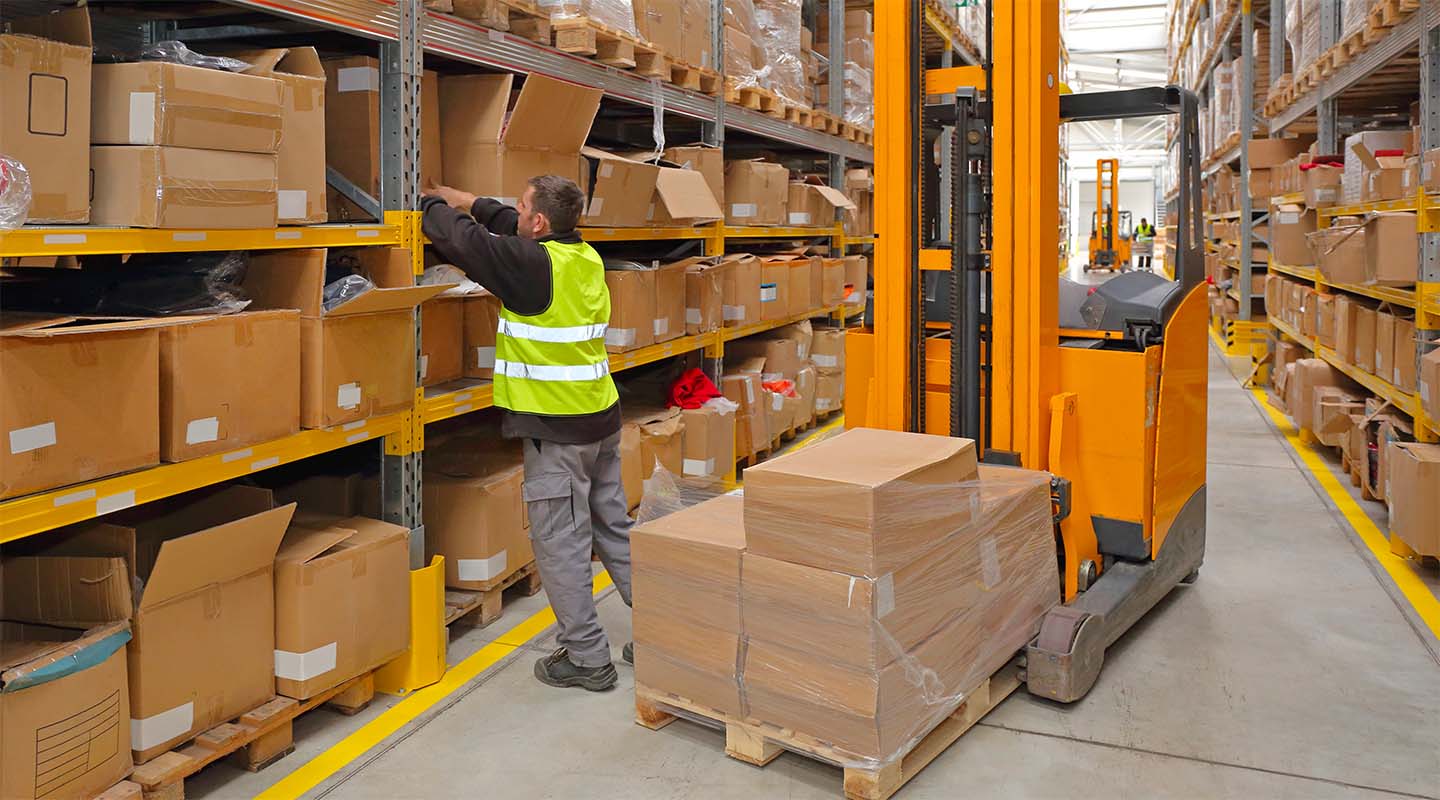
The use of RFID tags for logistics is widespread in every area of warehouse management. 

RFID hard tags for logistics and RFID labels for logistics are applied to products, pallets, roll containers, to identify and locate them, automate inventory, and prepare goods for shipment to the customer, an operation known in logistics as picking.

RFID TAGS FOR LOGISTICS: THE BENEFITS

The benefits of RFID in logistics range from increased efficiency and reduced errors to more effective inventory management.

The use of RFID technology for product traceability allows for real-time identification from production to final distribution. This significantly reduces the risk of human error.

The automation of data reading through hard tags or RFID labels speeds up storage, retrieval, inventory, and picking operations. This results in reduced labor time and increased productivity.

RFID tags can be used to authenticate products, against counterfeiting, and control access to warehouses and restricted areas, preventing intrusion and theft.

Precise product identification through RFID increases efficiency in picking, sorting, and shipping phases.

RFID hard tags and RFID labels provide real-time data on inventory levels, optimizing reorder processes and avoiding overstocking. This improves efficiency and inventory management.

APPLICATION OF RFID TAGS IN LOGISTICS

From inventory to fleet management, here are the main applications of RFID hard tags and RFID labels for logistics.

Identification of goods in the warehouse

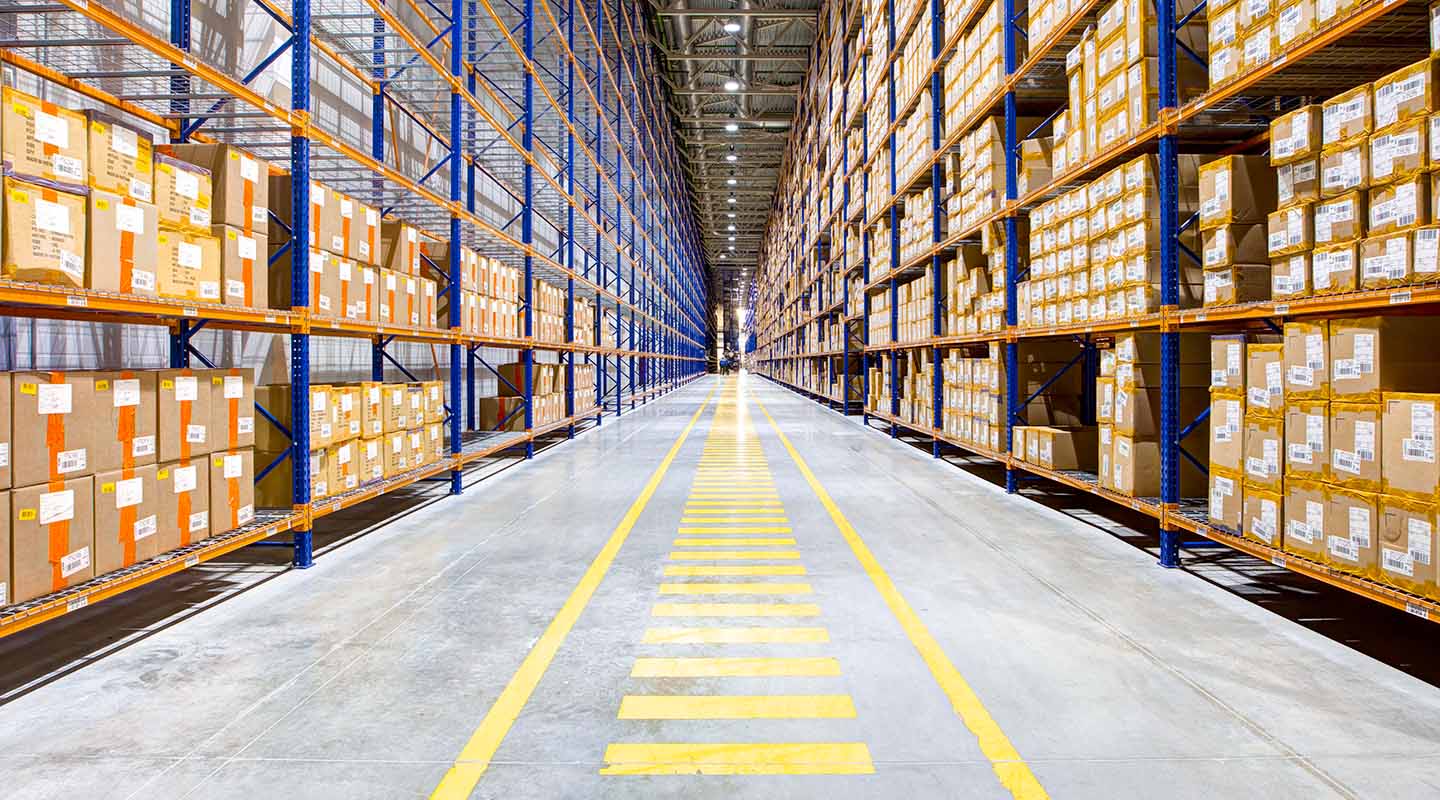
Applications of RFID hard tags and RFID labels for warehouse logistics include product identification and storage. RFID hard tags and RFID labels for automated warehouses are embedded or applied to products, pallets, and vertical storage system drawers, allowing for immediate localization.

Warehouse inventory

Warehouse inventory involves a series of operations - which are simplified by the use of RFID tags for inventory management - such as: counting products and goods, managing shortages and surpluses, and planning replenishment. Thanks to RFID labels and RFID hard tags for inventory management, these operations can be administered entirely automatically. 
Picking for goods preparation

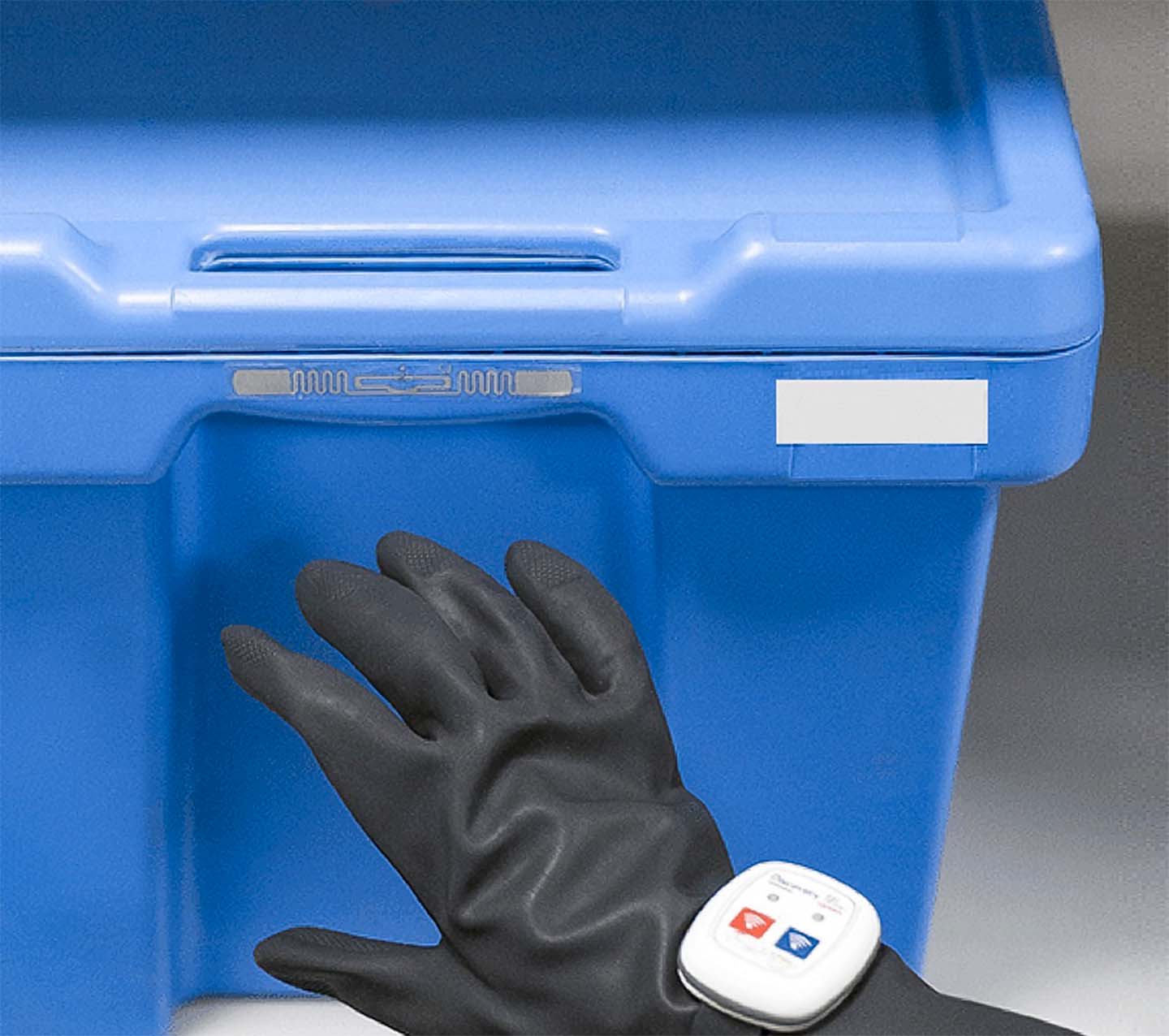
In automated warehouses, RFID hard tags for accurate picking facilitates and speeds up picking operations, the retrieval and preparation of stored goods for delivery to the customer. RFID hard tags and RFID labels for picking allow for complete product tracking, from shelf retrieval to packaging and preparation for shipping. RFID tags are also suitable for assembly picking, enabling the traceability of each individual part.
Pallets and roll container traceability

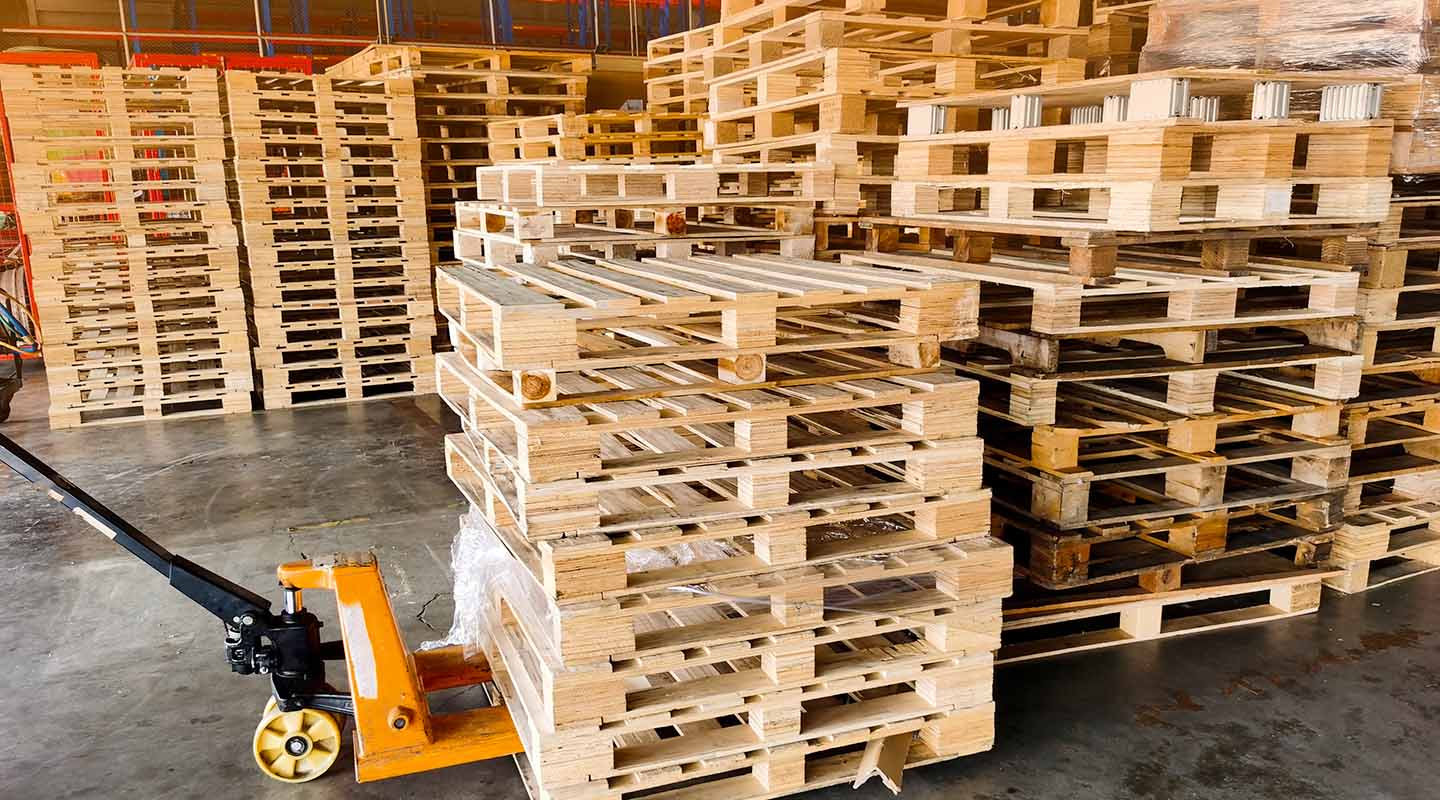
RFID hard tags and labels enable the tracking of pallets, roll containers, and trolleys used for transporting goods from the central warehouse to retail outlets, which are often expensive and subject to theft. The use of RFID hard tags and labels for pallet tracking involves recording the container's exit from the warehouse to the retail outlet and tracking its return.
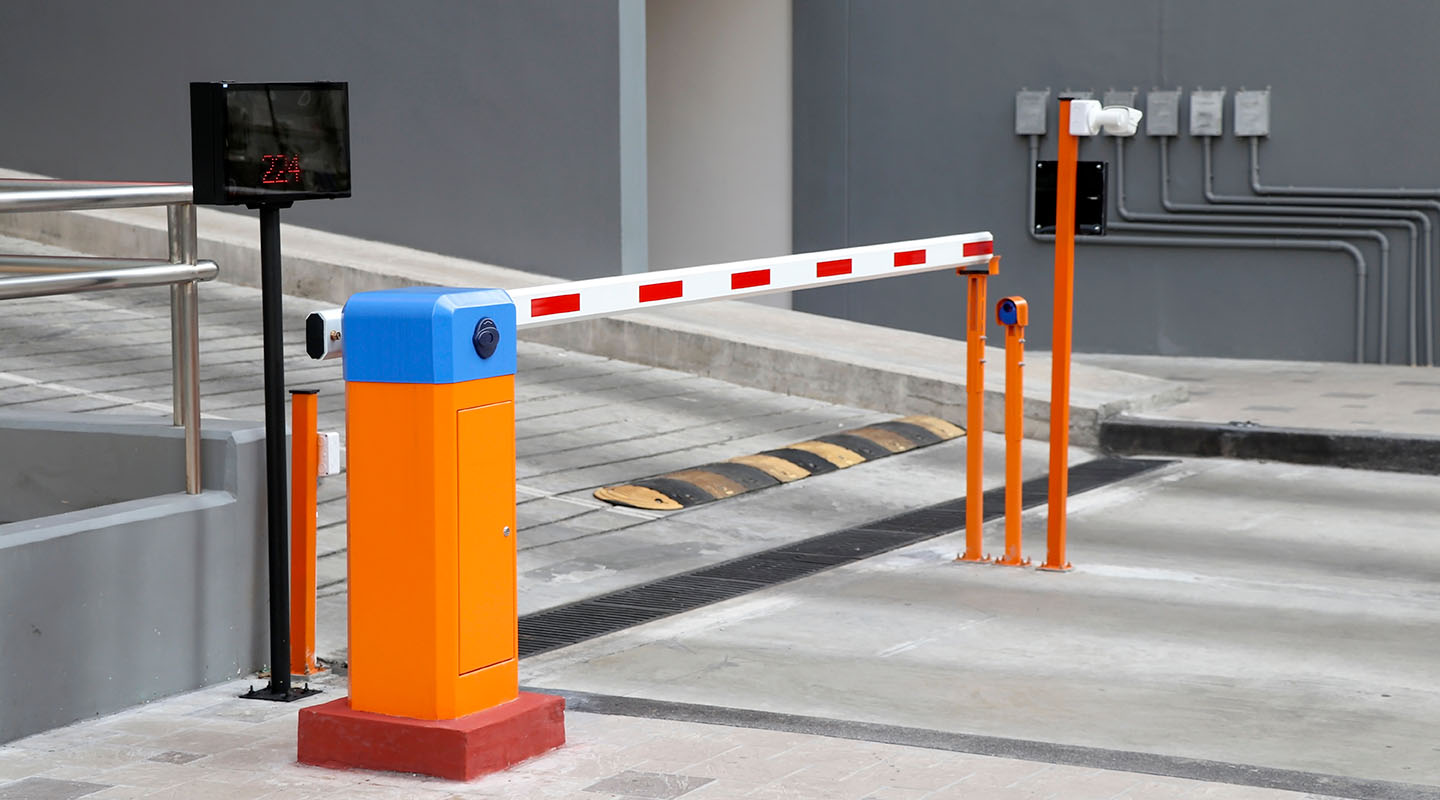
Controllo accessi veicolare_logistica

Vehicular access control

RFID hard tags and RFID labels for vehicle access control promote effective fleet management and are useful for registering cars and commercial vehicles upon entry and exit. 
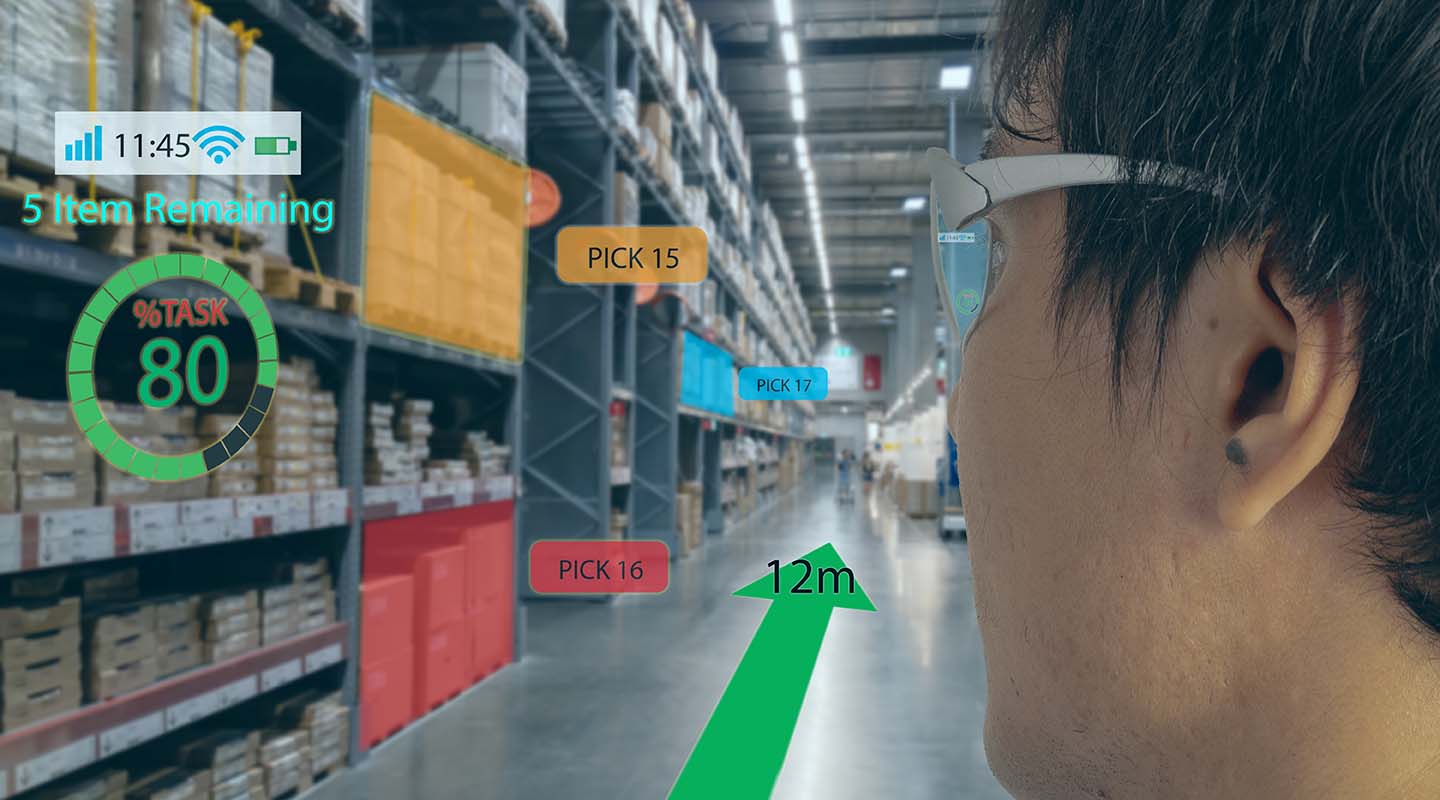
Tag RFID e realtà aumentata_logistica

RFID tags and augmented reality

Via a display integrated in the glasses, smart glasses for logistics allow the object - on which an RFID tag is attached - to be located immediately, with considerable time savings. The hands also remain free to perform other activities.
CHOOSING THE BEST RFID TAGS FOR LOGISTICS

To implement RFID tags in a warehouse, it is necessary to identify processes and define specific objectives, such as inventory optimization or reducing picking errors. 

This is followed by the selection of reliable RFID hard tags and RFID labels with long life and high performance. In particular, Partitalia’s RFID hard tags are constructed from materials such as ABS, nylon, or polycarbonate, designed to withstand wear and extreme working conditions, chemicals, high temperatures, and water jets. Attachment to the asset to be tracked is achieved through screwing, gluing, or embedding, ensuring a secure hold. 

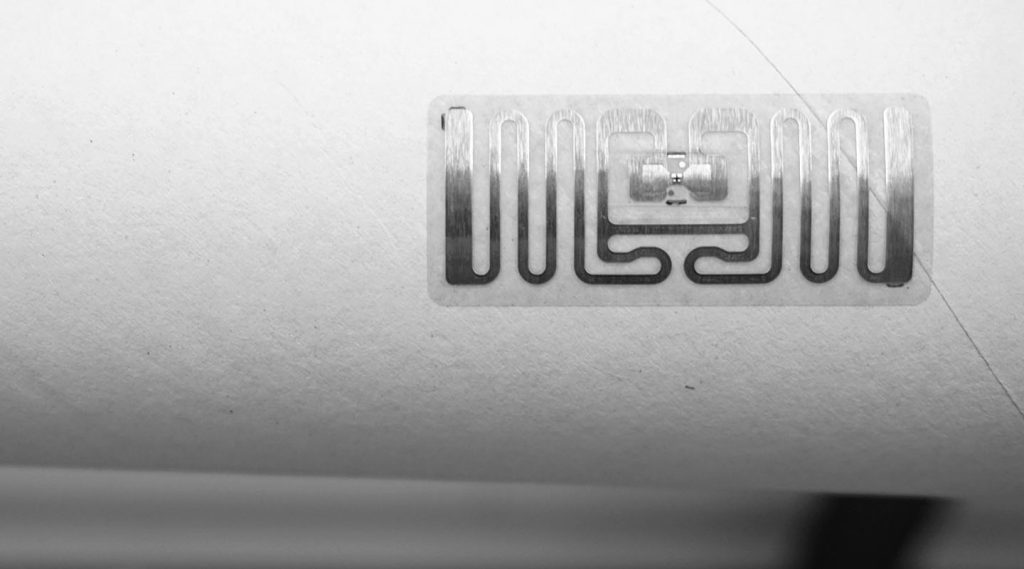
Our RFID labels for logistics are made of polypropylene or PET, ductile and flexible thermoplastic materials, or paper. They are thin and lightweight, and can be applied to the asset to be tracked using an adhesive.

Etichetta RFID applicata_logistica

FAQs RFID TAGS FOR LOGISTICS

Discover the benefits of using RFID tags for logistics and learn why RFID hard tags and labels are revolutionizing modern warehouse management.

How are RFID tags used in logistics?

RFID tags for logistics automate and streamline various processes, including inventory management, asset tracking, and supply chain visibility. They enable real-time tracking of goods as they move through the supply chain, reducing human error and improving efficiency. Common applications include pallet tracking, container management, and item-level tagging for granular visibility.

RFID hard tags deliver many benefits to automated warehouses, including improved efficiency, accuracy, and flexibility. By enabling real-time tracking and providing granular data, RFID tags streamline operations, reduce errors, and optimize resource allocation. 

RFID hard tags provide near-perfect accuracy in inventory counting, eliminating manual errors and discrepancies. By offering real-time visibility of individual items, they enable precise monitoring of stock levels, efficient replenishment planning, and optimized item placement for streamlined picking and packaging processes.

Yes, RFID hard tags are ideal for pallet tracking in logistics. Their robust nature makes them suitable for harsh environments, and they can be easily read from a distance. This allows for real-time tracking of pallets as they move through the supply chain, improving visibility and efficiency. Additionally, RFID hard tags can withstand the rigors of transportation and handling, ensuring data integrity.

RFID hard tags provide accurate identification of commercial vehicles at restricted area entry and exit points. RFID systems, consisting of tags and readers, offer real-time vehicle position monitoring, automating barrier and gate operations, accelerating vehicle flow, and ensuring comprehensive control.

In the picking process, involving the retrieval and preparation of stock for customer delivery, RFID hard tags enable complete product traceability, from shelf picking to shipping. Moreover, in pick-to-light assembly, RFID tags allow for tracking each individual part, preventing the risk of losses.

Altri vantaggi riguardano la riduzione degli sprechi alimentari, grazie al monitoraggio delle scorte e ai processi di riordino ottimizzati, e il monitoraggio costante di temperatura e umidità, per garantire il rispetto delle normative igienico-sanitarie.

RFID labels are small electronic devices that use radio waves to transmit unique identification codes. In logistics, RFID labels are attached to items, pallets, or containers to enable real-time tracking and management. They eliminate the need for manual data entry and provide accurate, up-to-date information about the location and status of assets. This improves efficiency, reduces errors, and enhances supply chain visibility.

RFID labels revolutionize inventory management by providing real-time visibility and accuracy. These tags, when attached to items or containers, can be read from a distance, eliminating the need for manual data entry. This automation significantly reduces human error and streamlines processes such as inventory counting, tracking, and replenishment. Additionally, RFID enables granular tracking of items throughout the supply chain, enhancing overall efficiency and reducing costs.

RFID hard tags and labels are used to identify and track items in logistics, but differ mainly in terms of durability and application. In particular, RFID hard tags are more robust and designed for harsh environments. The choice depends on factors such as the environment and the item to be tracked.

Smart glasses integrate with RFID technology to provide real-time, hands-free information to logistics workers. Thanks to a display integrated into the glasses, workers can quickly locate RFID tags attached to items, pallets or containers.

Drag & Drop Files, Choose Files to Upload
Nome candidato
Drag & Drop Files, Choose Files to Upload
