Home / Services / RFID tags / RFID tag customisation
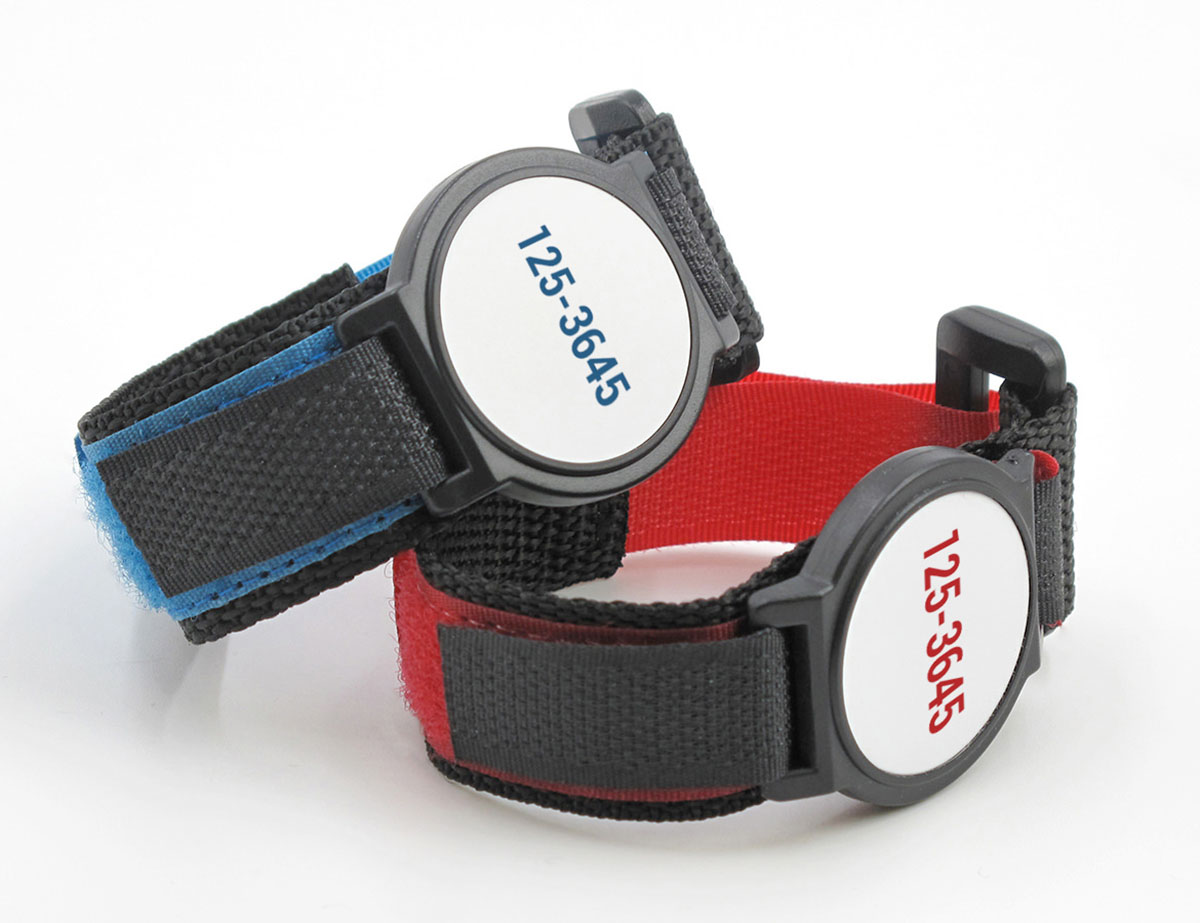
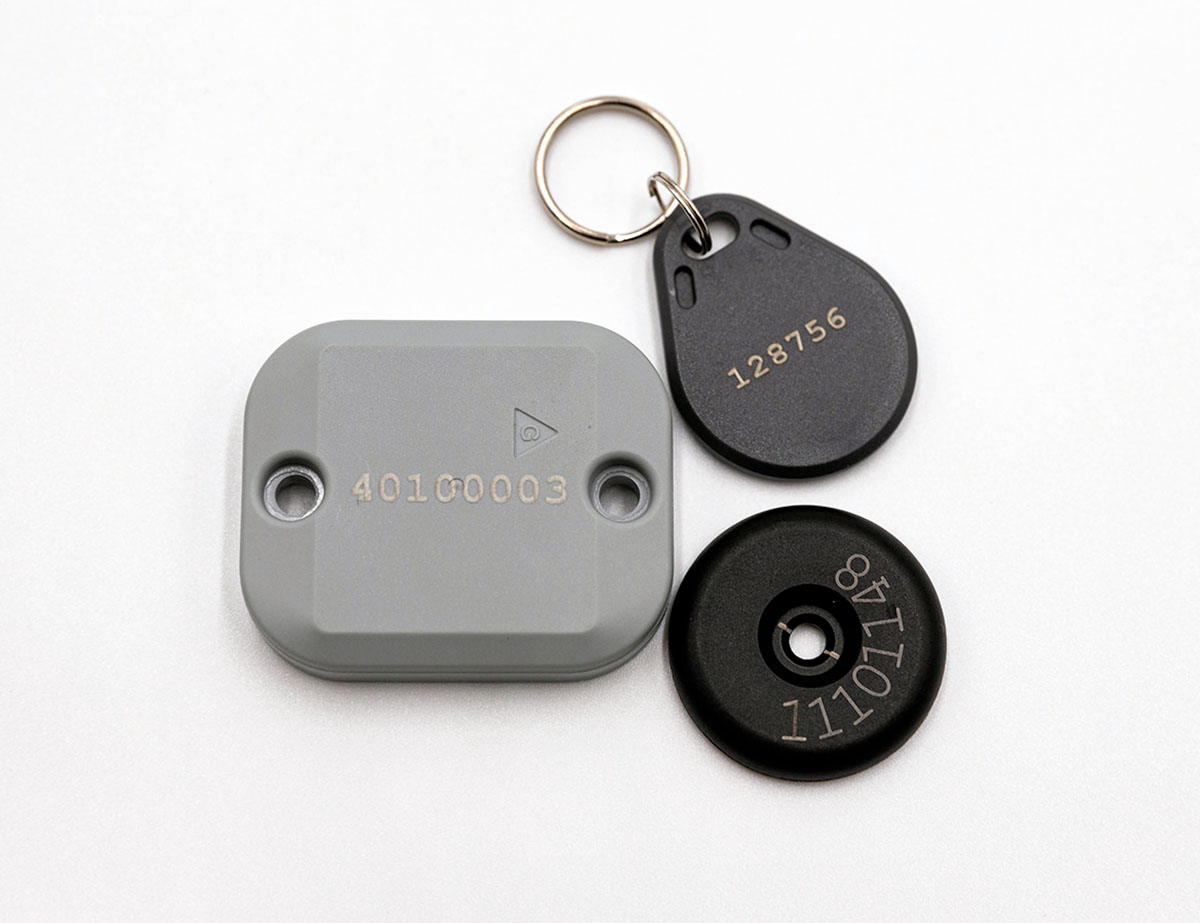
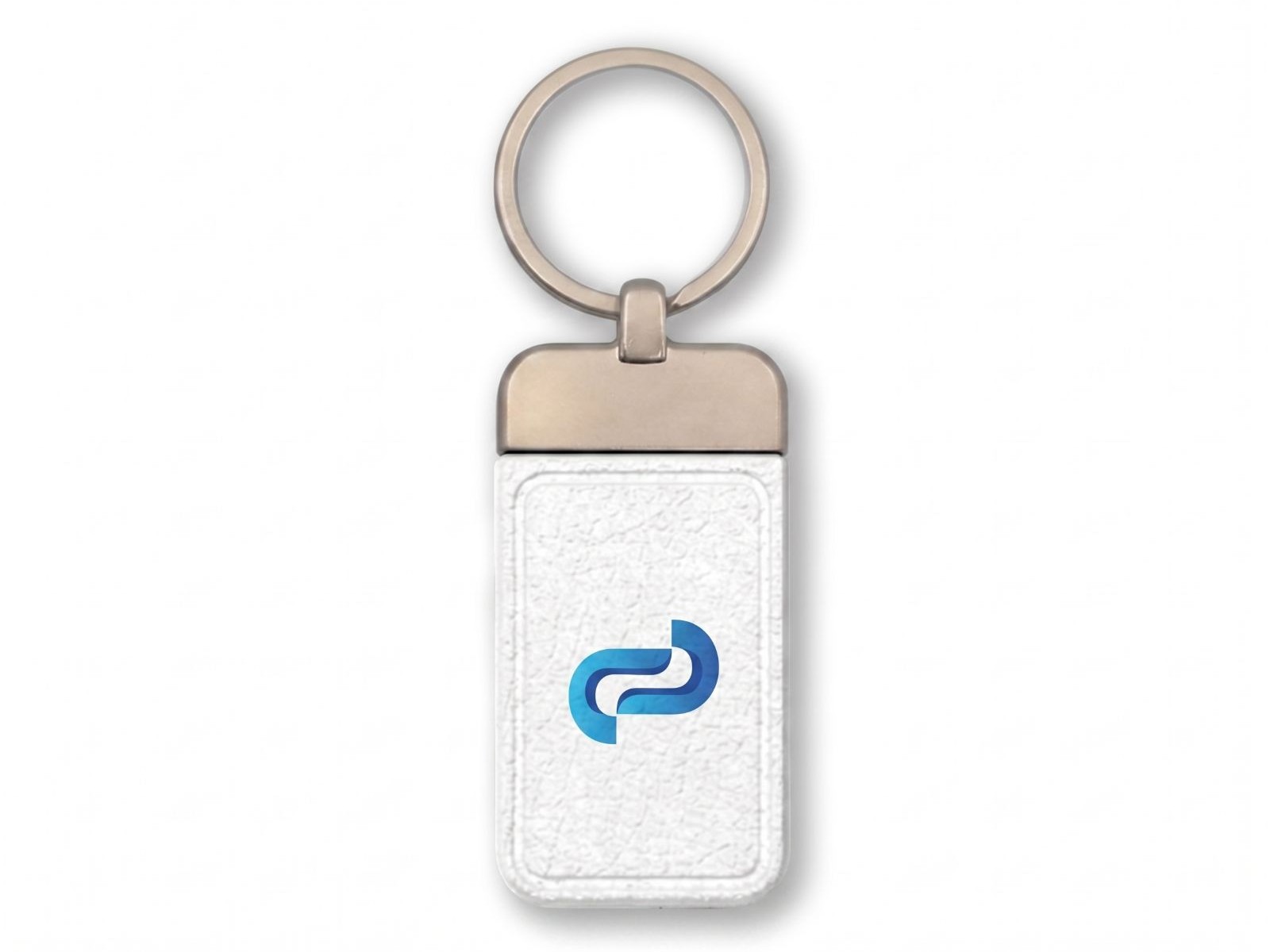
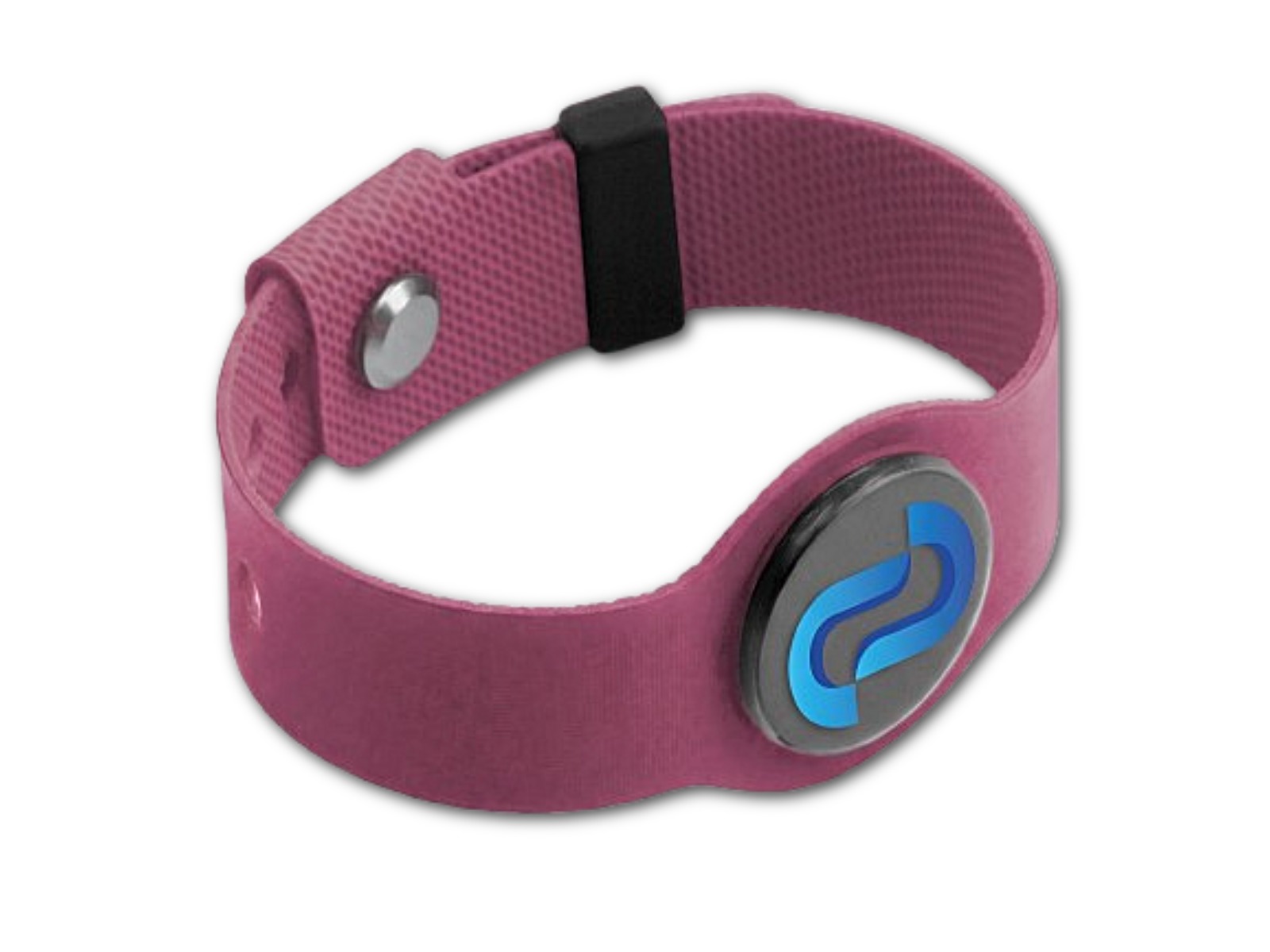
At Partitalia, we print and customise RFID wristbands, key fobs, hard tags and labels using various techniques, ranging from offset printing to thermographic printing, pad printing and silkscreen printing. We also number the tags using our robotic laser marking unit or inkjet printing.
LEARN MORE ABOUT RFID TAG CUSTOMISATION!
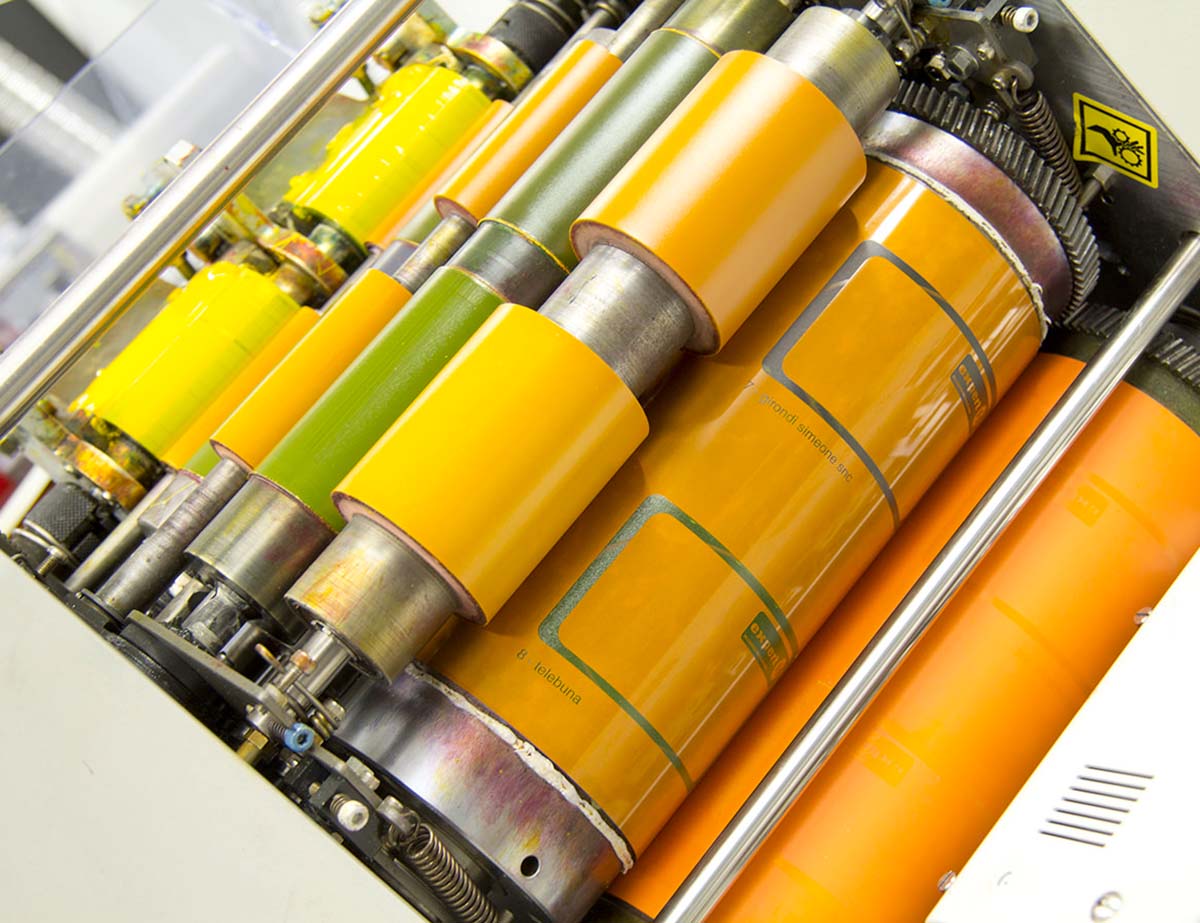
The offset technique applies four-colour printing (magenta, cyan, yellow, black) and up to 8 colours in one pass. We produce prints in Pantone colours and with a glossy or matt finish.
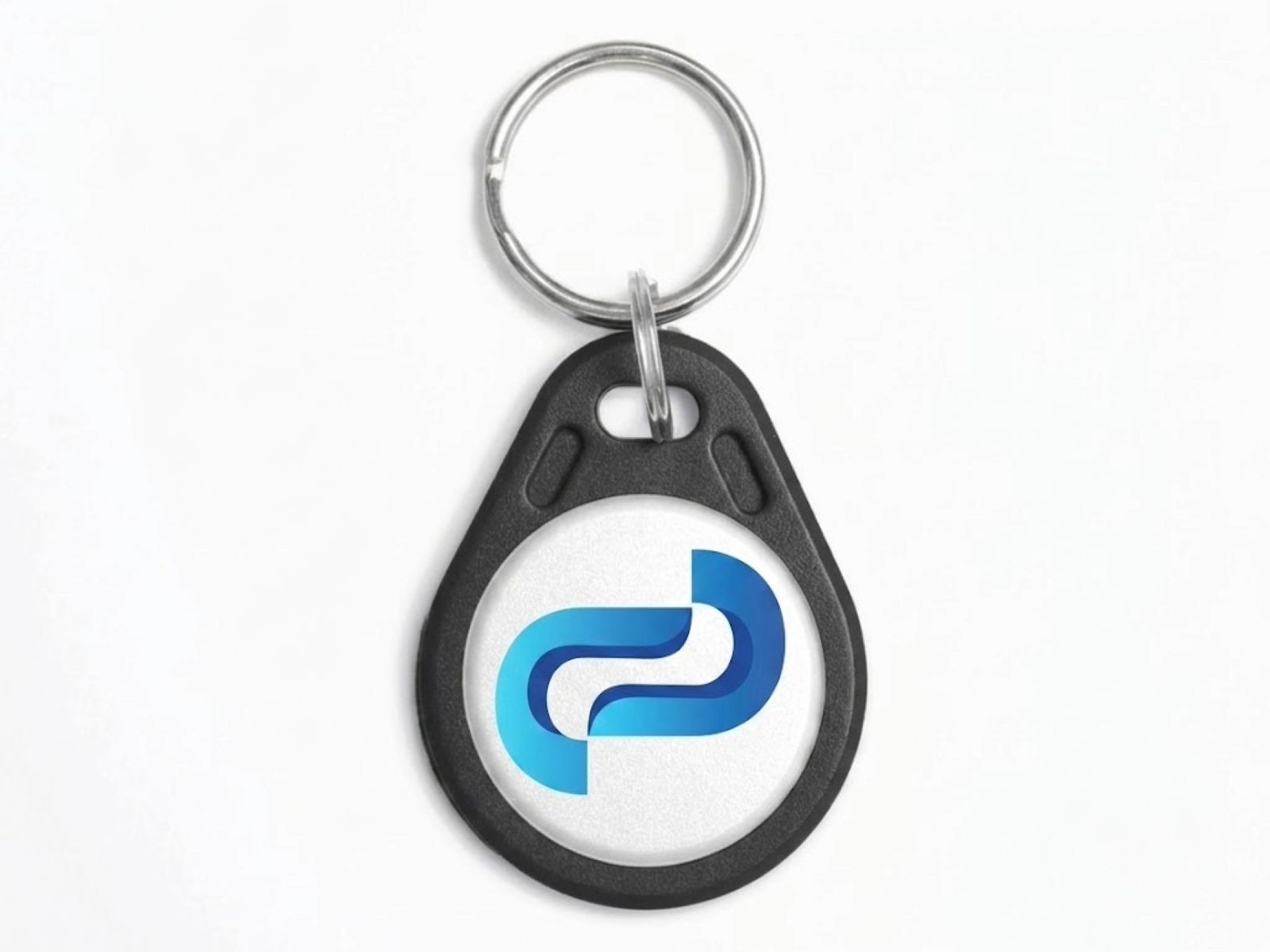
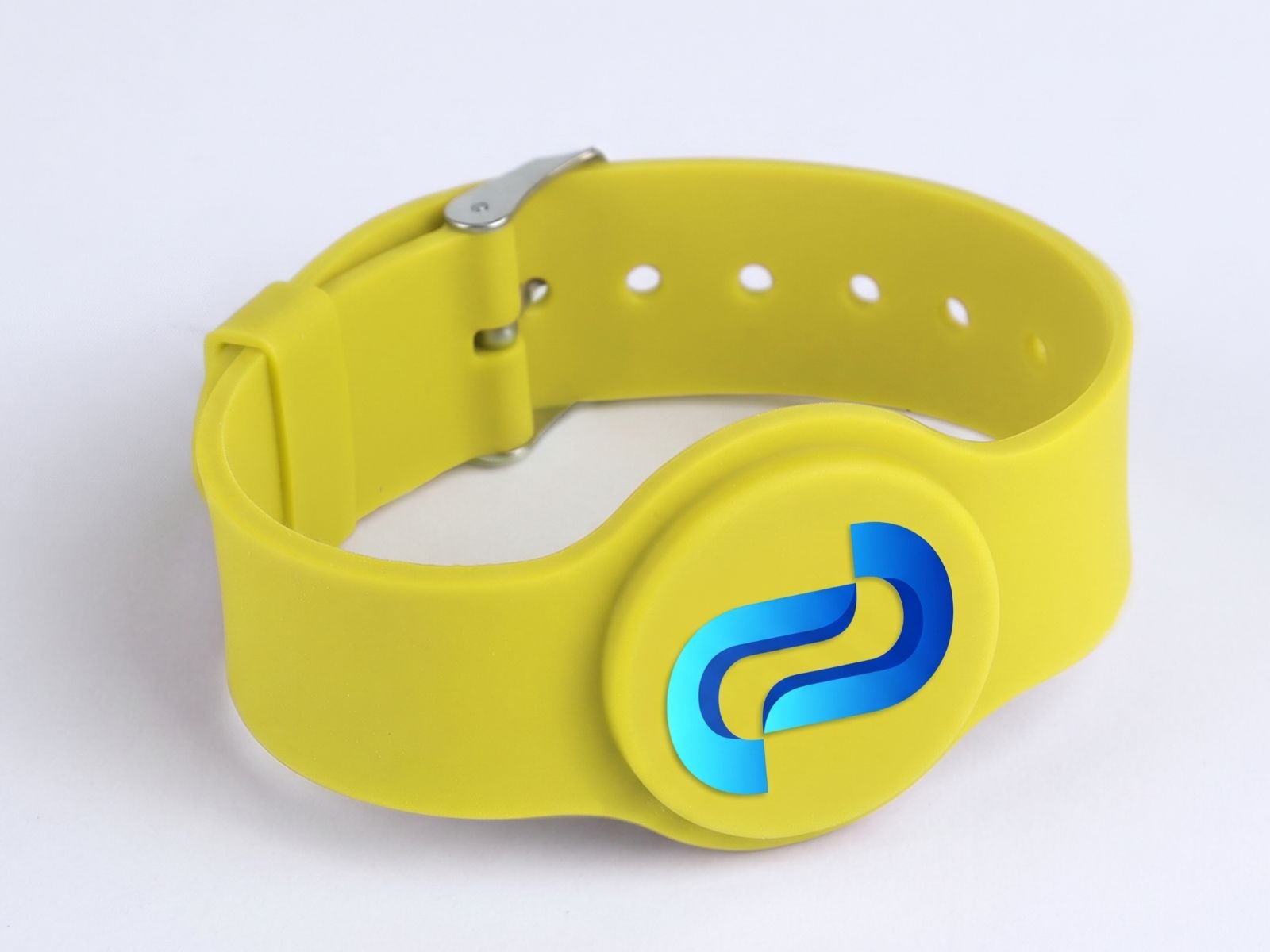
Offset printing offers extreme flexibility and very quick production times. We apply custom logos to RFID wristbands made of polyurethane, PET and Tyvek, a synthetic material with a paper-like appearance; clear disks and hard tags in PVC; RFID labels made of adhesive paper, PET, PVC and polypropylene. We also work with RFID key fobs made of ABS and PVC. Their entire surface can be customised with logos and prints.

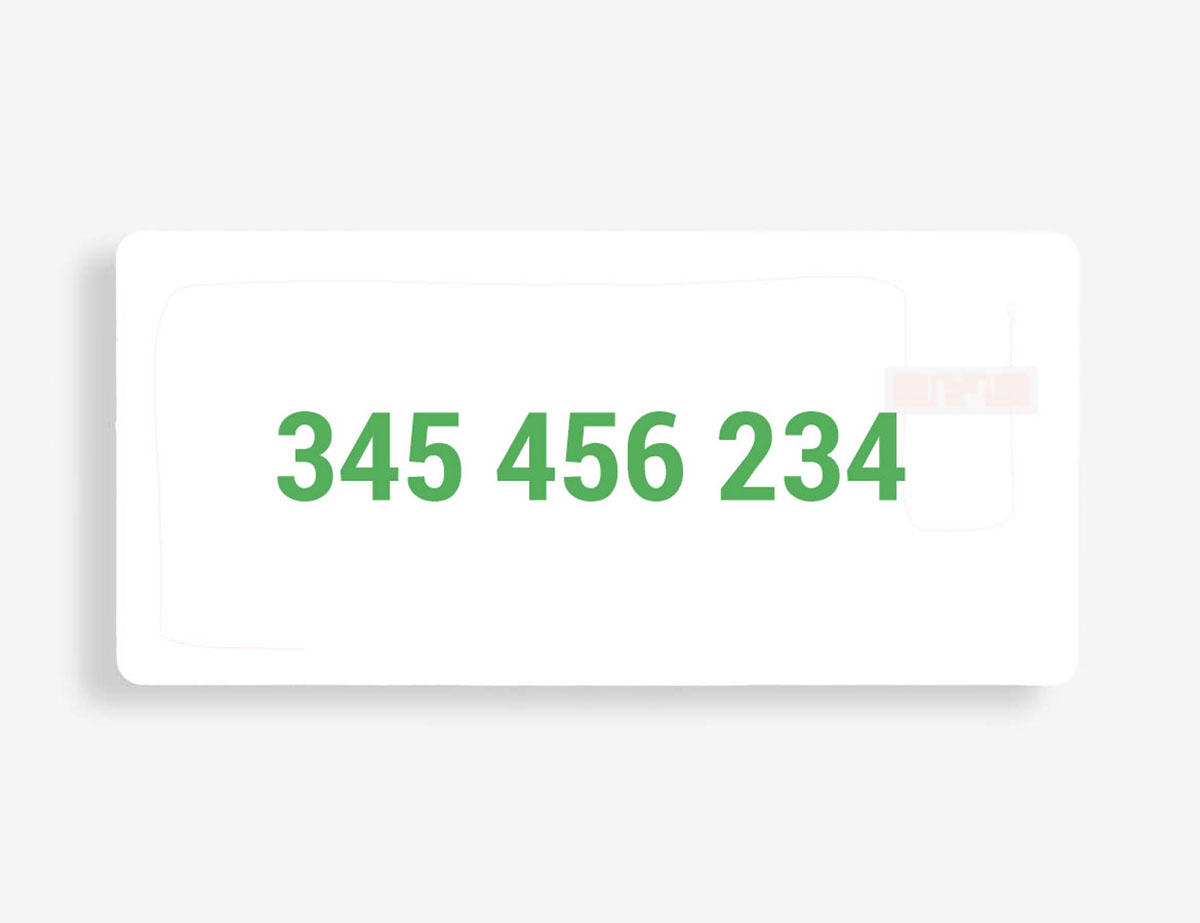
Inkjet printing is a digital technique used to print numbers at high speed with very high production quality standards.


The process involves tanks of solvent-based inks and a series of tubes that carry the ink to a printhead. The printhead sprays tiny drops of ink onto the surface to be printed (drop-on-demand).
At Partitalia we use the inkjet technique to print serial numbers on RFID wristbands equipped with a PVC dial, and on Tyvek or polyurethane wristbands; on RFID key fobs made of ABS, nylon and PVC; and on clear disks and hard tags in PVC. On RFID labels made of paper, PVC, PET and polypropylene, we print both logos and numbers in black and white using inkjet technology.
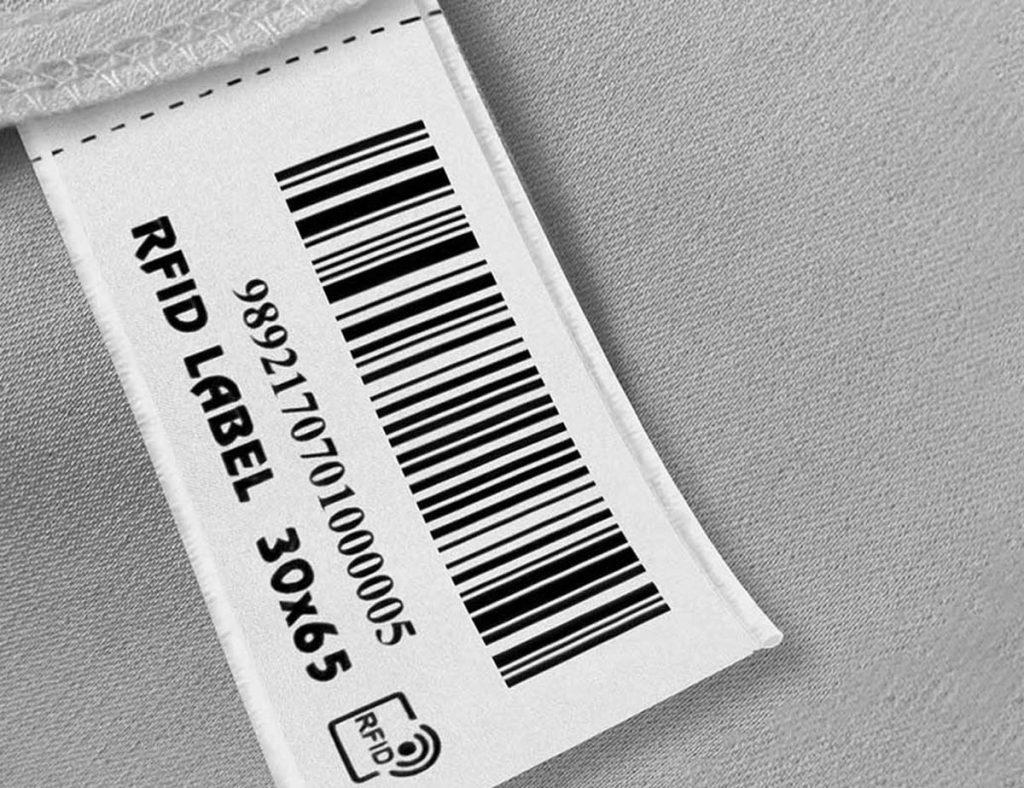
Thermographic printing, also called dye sublimation printing, is a digital printing technique that relies on a heated printhead. When the image is sent to the printer, the printhead draws the figure on the surface using heat.
Using thermographic printing, we customise RFID labels with logos and numbers in black and white on a variety of materials — PVC, PET, polypropylene and fabrics such as nylon, taffeta and polyester, which are used for smart labels applied to garments.
Laser printing during the production process allows variable data such as serial numbers to be applied to the surface with extremely durable results.


Laser marking is a monochrome printing technique that guarantees very high resolution.
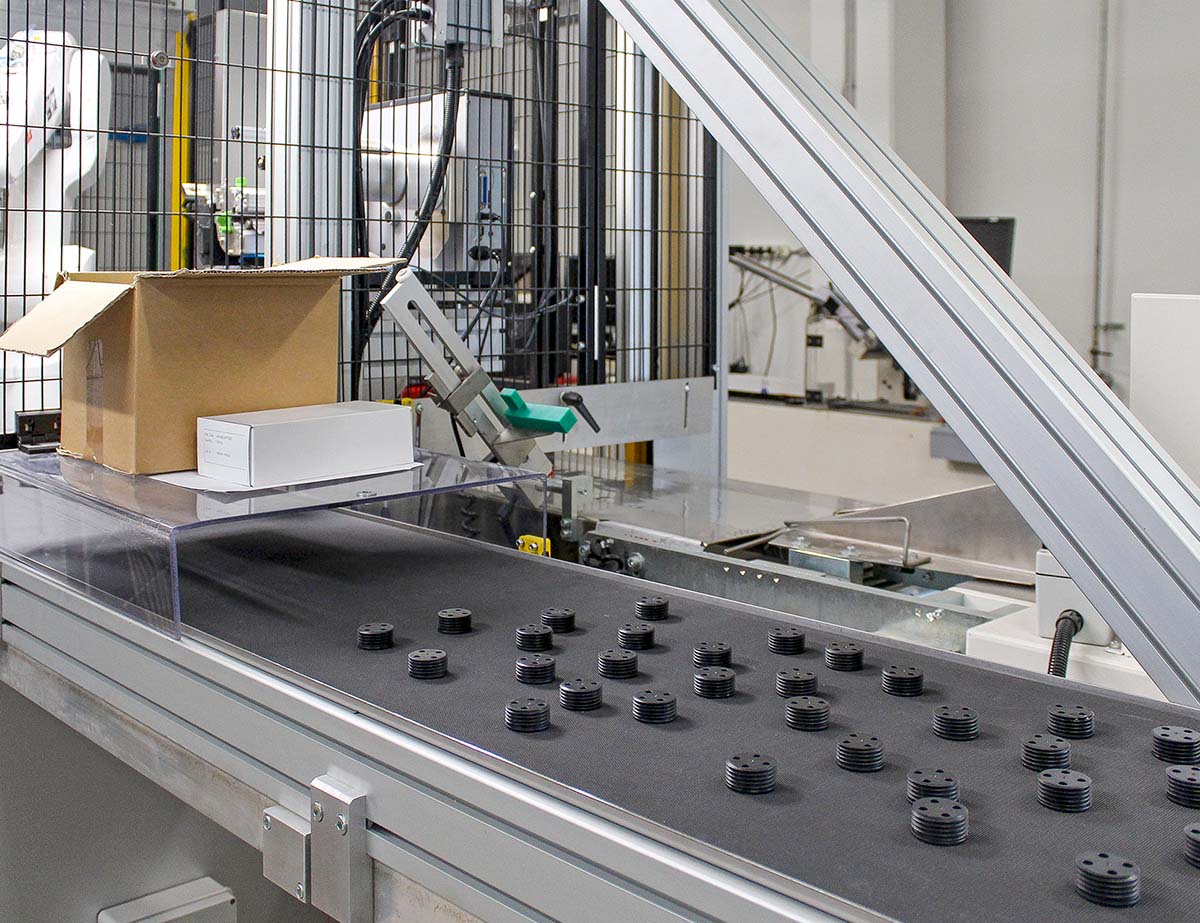
This technique can be used on all solid materials. The laser beam etches the material and causes the removed part to evaporate. With our robotic laser-printing unit, we apply serial numbers to RFID wristbands made of polyurethane, silicone, faux leather and PVC dials; key fobs made of ABS, PA6 (nylon) and PVC; hard tags in any plastic material; and glass tags, special glass tags for animal tracking and industrial uses.
Silkscreen printing enriches prints with bright, solid, metallic, gold or silver, glitter, fluorescent or phosphorescent colours.
The reference for silkscreen printing colours is the Pantone scale and, in some cases, the RAL scale.
We use this technique to apply custom logos to silicone RFID wristbands with PVC dials; key fobs in ABS and PA6 (nylon); hard tags in nylon and plastics such as PPA and ABS; clear discs, disc-shaped RFID tags consisting of a laminate or PVC layer enclosed between two transparent PET sheets.


Pad printing is a printing technique based on a silicone pad.


Dampened with a thin layer of ink, the pad is passed onto an engraved plate known as a pad printing plate, which is then placed on the surface of the product.
Pad printing is suitable for both irregular and smooth surfaces, and can be used on numerous materials. With the fixed-colour pad printing technique, we print logos on silicone and PVC wristbands; on ABS, faux leather and PVC key fobs, which can be customised over the entire surface; and on hard tags made of PVC, ABS, PPA, epoxy resin, nylon and other high performance resins, polymers and industrial plastics.
To help you choose the most suitable technique for personalising your rfid tags, we have collected the most frequent questions from our customers. Read the FAQs.
At Partitalia, we use various methodologies depending on the requirements and the desired result. Offset printing is used for full-colour printing (CMYK) and when flexibility and rapid production times are required. Silkscreen printing, on the other hand, is the choice of excellence for those desiring metallic, gold, fluorescent, or phosphorescent colours, while pad printing is perfect for irregular surfaces or industrial materials such as high-performance resins and polymers.
We have an advanced robotic laser marking unit that permanently engraves variable data onto solid materials such as silicone, nylon, and even onto glass tags. Alternatively, for high-speed production, we use inkjet printing (drop-on-demand) with solvent inks, which is ideal for numbering wristbands, key fobs, and PVC hard tags, ensuring extremely high production quality.
For RFID labels in paper, PVC, or polypropylene, and for textile labels in nylon taffeta or polyester applied to clothing, we use thermal transfer (thermal sublimation). This digital technique allows for the printing of logos and numbering in black and white with extreme precision.
This site uses technical and profiling cookies.
You can accept, reject, or customize the cookies by clicking the desired buttons.
By closing this notice, you will continue without accepting.
Privacy Settings
This website uses cookies to improve your experience while you navigate through the website.
View the Cookie Policy View the Personal Data Policy
Google Analytics is a web analytics service provided by Google Ireland Limited ("Google"). Google uses the collected personal data to track and examine the usage of this website, compile reports on its activities, and share them with other Google services. Google may use your personal data to contextualize and personalize the ads of its advertising network. This integration of Google Analytics anonymizes your IP address. The data sent is collected for the purposes of personalizing the experience and statistical tracking. You can find more information on the "More information on Google's handling of personal information" page.
Place of processing: Ireland - Privacy Policy
Additional consents:
Ally is a software, provided by Elementor Ltd, that enhances usability and optimizes digital content, making it accessible and usable for a wide range of users, including those with disabilities.
Place of processing: Israel - Privacy Policy
Cloudflare Web Analytics is an anonymized analytics service provided by Cloudflare Inc. that gives the owner insight into the use of this website by users.
Google Ads conversion tracking is an analytics service provided by Google Inc. that is used to connect data from the Google Ads advertising network with actions performed on this Site.
Place of processing: Ireland - Privacy Policy
Google Fonts is a service used to display font styles operated by Google Ireland Limited and serves to integrate such content into its pages.
Place of processing: Ireland - Privacy Policy
Google Maps is a maps visualization service provided by Google Ireland Limited. This service is used to incorporate content of this kind on its pages.
Place of processing: Ireland - Privacy Policy
Gravatar is an image visualisation service provided by Automattic Inc. that allows this Website to incorporate content of this kind on its pages.
Place of processing: United States - Privacy Policy
Jetpack is an advertising service provided by Jetpack Digital LLC.
Place of processing: United States - Privacy Policy