

Home / Cards / Contact cards
Contact cards feature a small gold or silver electronic component on the outside, which is square or rectangular in shape and is called a contact chip. The chip contains an electronic circuit, called a micromodule, which contains a memory or microcontroller. The micromodule has small cuts – the contacts used to transfer data to the outside – and can have 6 or 8 contacts.
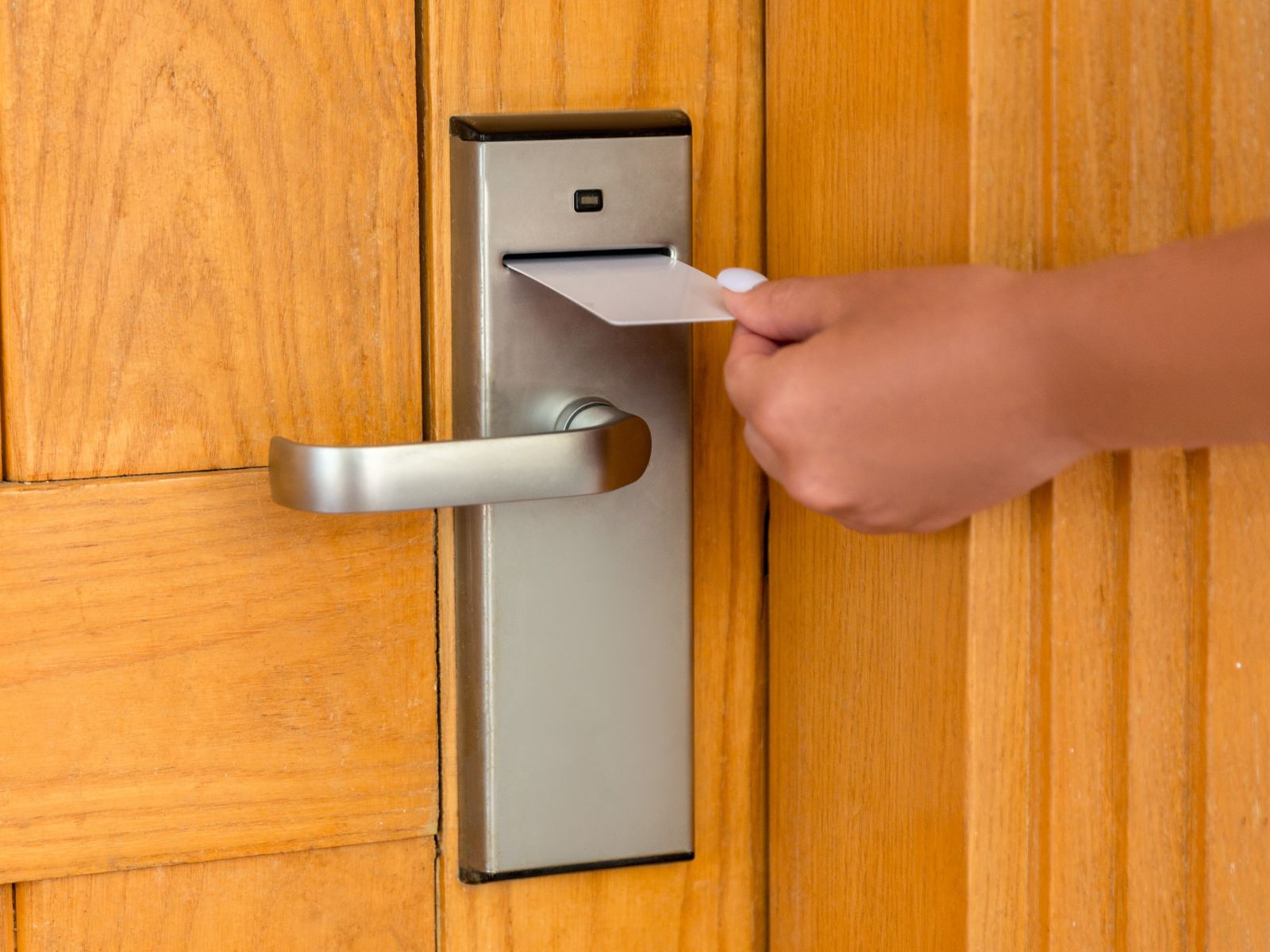
Contact smart cards are governed by the international ISO 7816 standard. Their operation is intuitive: reading occurs through the physical insertion of the card into a smart card reader, ensuring a direct connection between the chip and the system.
Depending on data storage requirements, these cards are divided into three technological families:
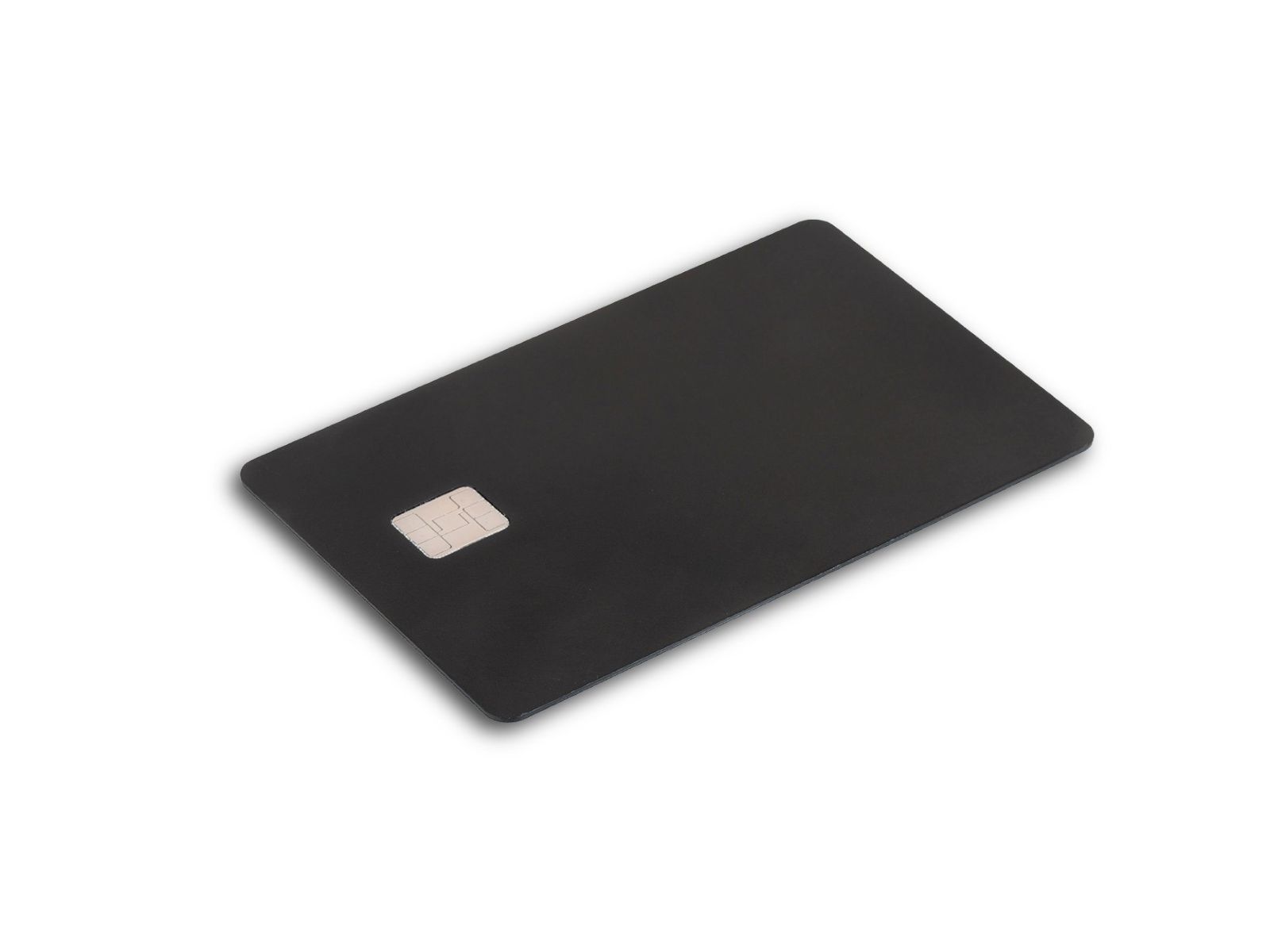
Cards with free memory (I2C reading technology): These contain an integrated I2C bus chip without any read or write password protection. Memory capacity ranges from 2 kBytes to 1,024 kBytes. Common free memory cards include: 24C02, 24C04, 24C08, 24C16, 24C64, 24C128, 24C256, and 24C512.
Cards with protected memory: This is the most common type; they feature a password that prevents unauthorised writing, while reading remains open. Sizes range from a few bytes to 1 kByte. Protected memory chip cards typically contain 4442 chips (compatible with SLE4442), 4428, or 4432.
Microprocessor cards: These offer maximum security. They host a genuine operating system and a mathematical processor capable of managing complex encryption algorithms (such as 3DES or RSA), rendering the data inviolable.
Contact smart cards represent a reliable solution for the secure management of access control and transactions. They offer enhanced protection against cloning compared to older technologies, such as magnetic stripes. Furthermore, they are less sensitive to dust and atmospheric agents and are immune to demagnetisation.
The primary applications are as follows:
Free memory contact cards: These are mainly used for hotel access control and the configuration of vending machines, specifically where it is necessary to download firmware directly onto the machine’s motherboard.
Protected memory cards: These are widely employed for identification and access control in hotels, campsites, gyms, schools, and universities. They are also used as corporate chip cards for staff access control and time and attendance tracking. Finally, they serve as fuel cards and electronic purses for vending machines, car washes, and water dispensing kiosks, securely storing pre-paid credit for automated dispensers.
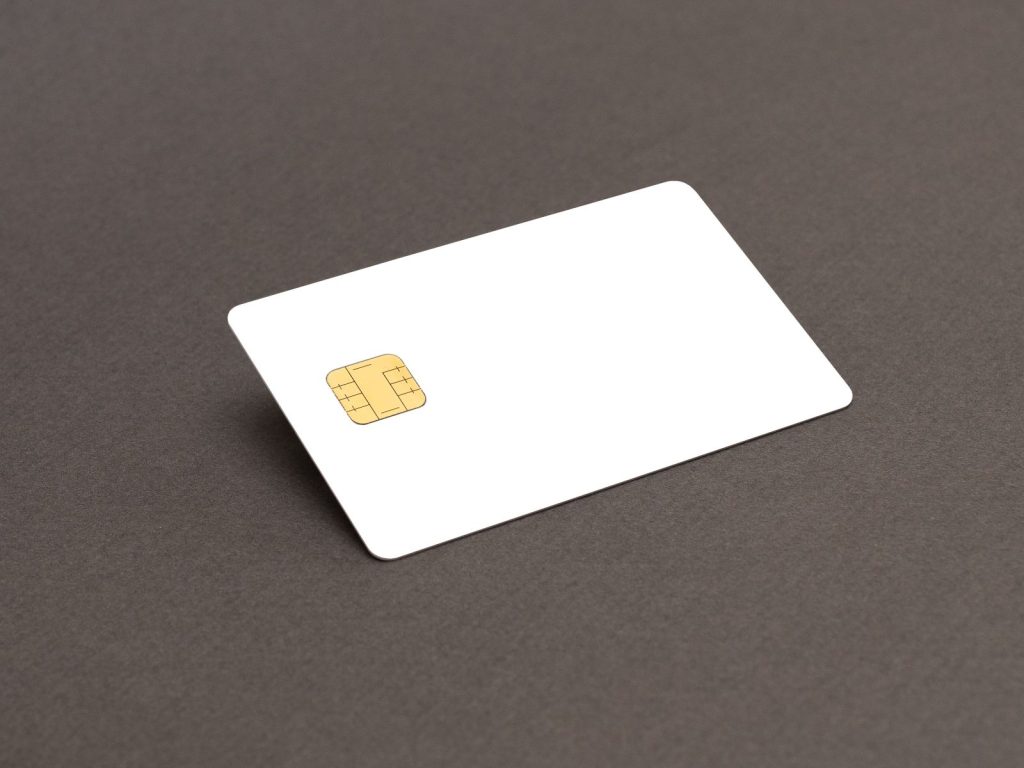
At Partitalia, we offer a variety of materials compatible with contact chip application, tailored to meet diverse requirements:
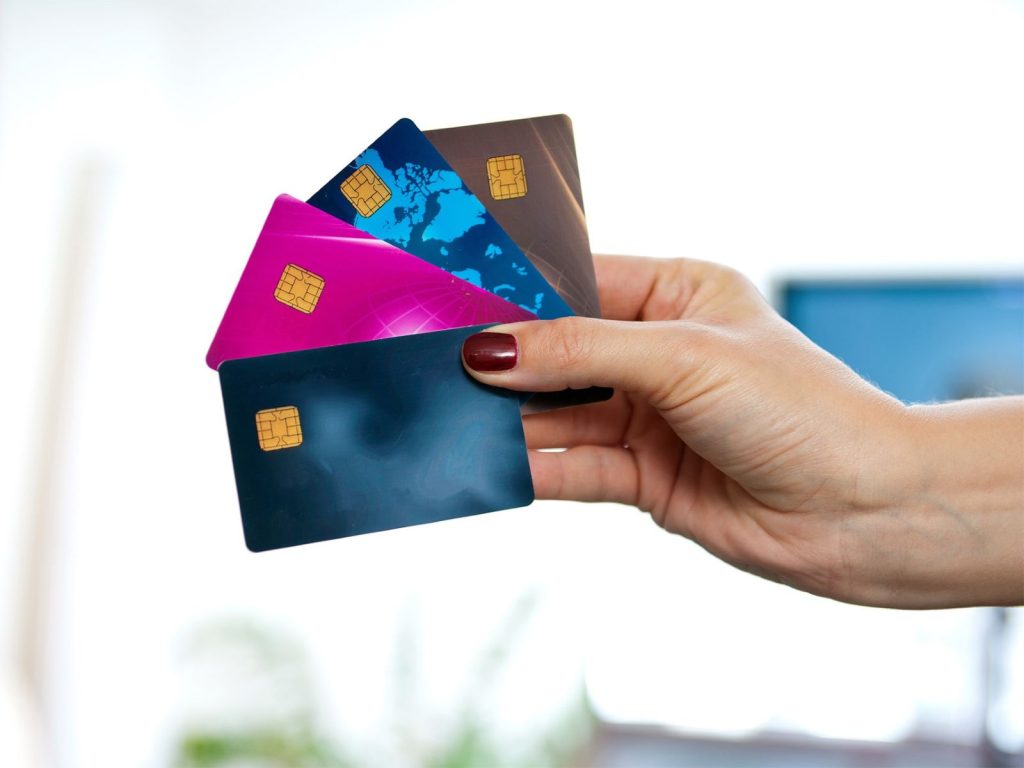
At our facility, we manufacture customised contact chip cards featuring the client’s chosen logo and graphics. We print our contact cards using 4-colour offset, silkscreen, digital printing, UV spot varnish, and hot foil stamping. Further card personalisation is achieved through dye-sublimation, laser engraving, inkjet printing, and embossing.
We have collected the most frequently asked questions about contact cards and their benefits in terms of security and efficiency.
Chip contact cards work by integrating a small square or rectangular electronic component, which is called contact chip. The operation of these cards is simple: just insert the chip contact card into a contact card reader to trigger the opening of the gate or authorise the transaction.
The contact chip contains an electronic circuit, also called micromodule, which contains a memory or microcontroller. The micromodule has 6 or 8 small cuts: these are the contacts for transferring data externally.
The primary advantage of contact chip cards is security. Contact cards ensure a high level of protection against cloning. Furthermore, they are less susceptible to the effects of dust and atmospheric agents and are not subject to demagnetisation.
Chip contact cards are commonly used for identification and access control in hotels, gyms, companies, schools and universities. Other uses of these cards include fuel cards, e-wallets for vending machines and the configuration of vending machines.
Contact cards are secure and offer valid protection against cloning. Compared to magnetic stripe cards, chip contact cards are less sensitive to dust and weather and do not demagnetise.
The data stored on a contact chip card can vary depending on the specific use of the card, but generally includes information such as: personal data (name, surname, date of birth, and other identifying details); access credentials (username, password, and other authentication and authorisation information); and credit (if used with an e-wallet function).

