
Home / Markets / RFID tag markets / Waste management

RFID TAGS FOR WASTE MANAGEMENT

RFID tags for smart waste management are used in municipalities where the pay-as-you-throw system is in force, having a significant impact on collection efficiency. 

Under the PAYT system, the variable portion of the tariff is calculated based on the amount of undifferentiated waste produced and disposed of by the user: therefore the need for local authorities to record the disposals, an essential operation to calculate the tariff correctly.

RFID WASTE MANAGEMENT SYSTEMS: HOW DO THEY WORK?

The measurement of MSW, the quantity of residual Municipal Solid Waste disposed of by the user, for the purpose of calculating the PAYT tariff, can be carried out by calculating waste fees based on the weight or the collection frequency or the number of waste sacks or the container volume or size. To this end, the implementation of RFID technology for municipal waste systems plays a fundamental role. 

The RFID solution for PAYT system consist of:

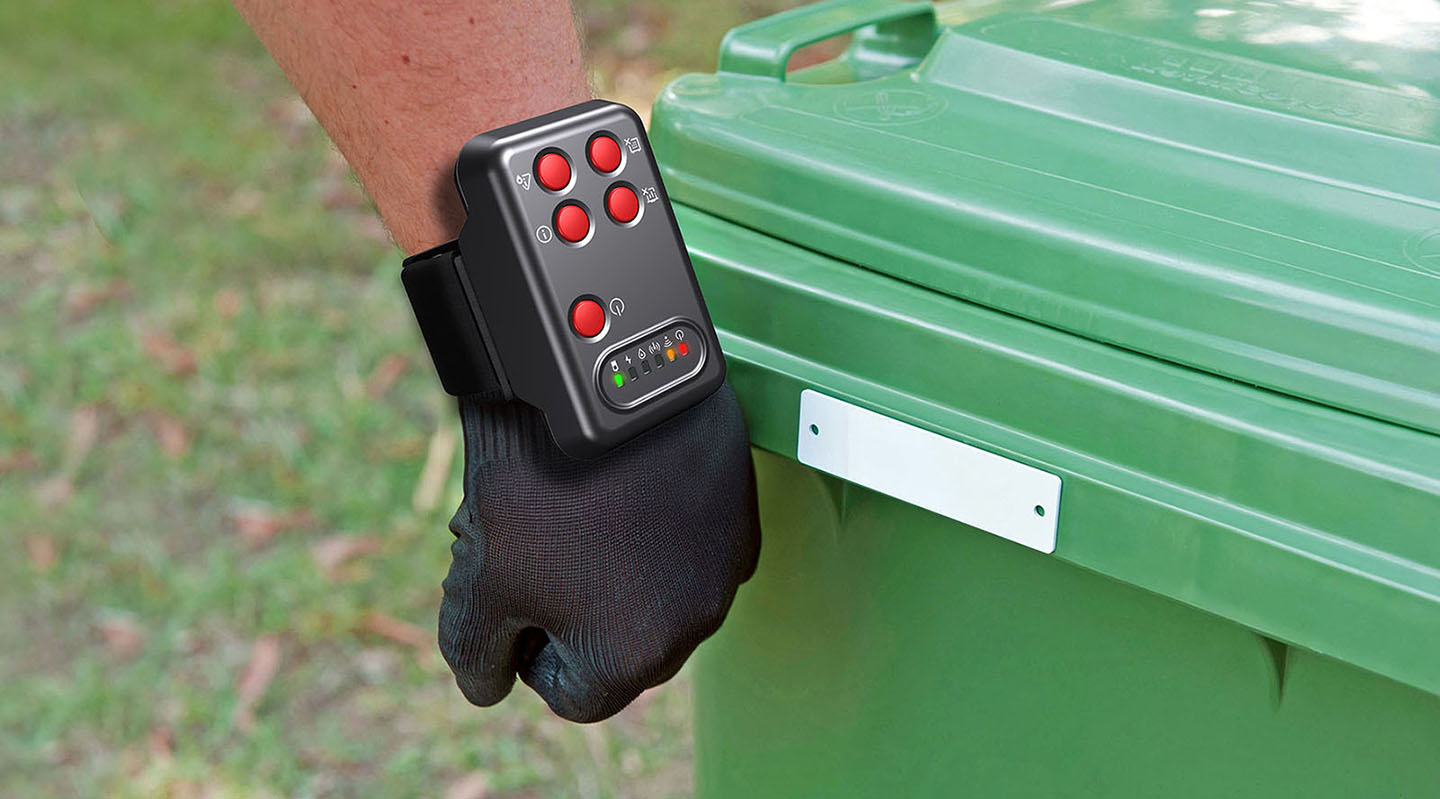
The vehicle-mounted RFID reader is installed on the waste collection vehicle, while the wearable RFID reader is suitable for the waste collection worker.

These are applied to waste collection containers’ – such as bags, bins, and small bins with a predefined capacity and distributed by local authorities. The two types of tags used for waste traceability are RFID hard tags for waste management and RFID wet inlays for waste management.

These are applied to waste collection containers’ – such as bags, bins, and small bins with a predefined capacity and distributed by local authorities. The two types of tags used for waste traceability are RFID hard tags for waste management and RFID wet inlays for waste management.

The reader scans the tag attached to the bag or bin, enabling smart waste monitoring through RFID technology. Indeed, RFID tags for waste containers are uniquely associated with users: when scanned by the reader, the disposal is recorded, the collection data is stored and transmitted in real time to the cloud server.

HOW TO IMPLEMENT RFID TAGS IN WASTE MANAGEMENT SYSTEMS?

When selecting and using RFID tags for waste collection, several factors must be considered: primarily, the type of container in which the tag will be integrated, and then the resistance and frequency.

HT004_group

RFID hard tags for the waste collection

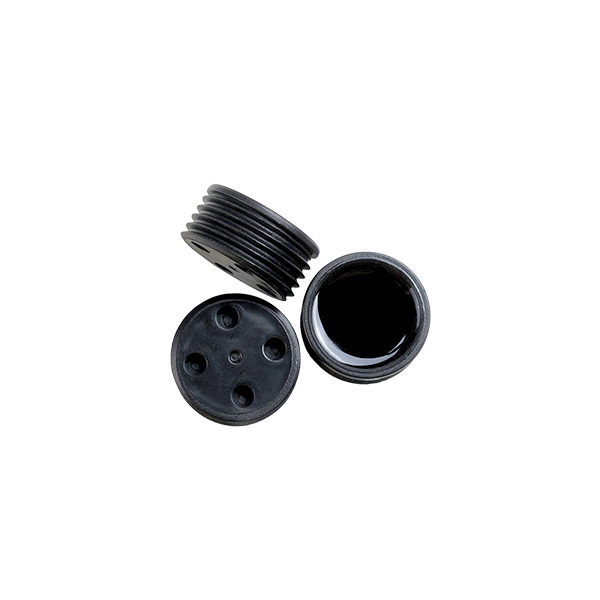
RFID hard tags for municipal waste tracking, which can be embedded in a wide range of surfaces, both metallic and non-metallic, and are available in various frequencies, are applied to small and big bins. The most in-demand are UHF tags, with a reading distance of up to 8-10 meters. Cylindrical RFID bin tags, such as the HT004, are particularly widespread. They are designed for plastic or metal waste bins and are compact in size with a diameter of about 30 mm. Thanks to their screw-on design, installation is easy. The durability and longevity of Partitalia's RFID waste tags are ensured by the materials they are made of: ABS, PVC, polyphthalamide, PA6 (nylon), glass, and high-impact plastics. RFID hard tags for bin monitoring are waterproof, impact-resistant, and weatherproof, ensuring reliable reading even in dirty environments, adverse weather conditions, and extreme temperature.
WT003_group

RFID Wet inlay for waste collection

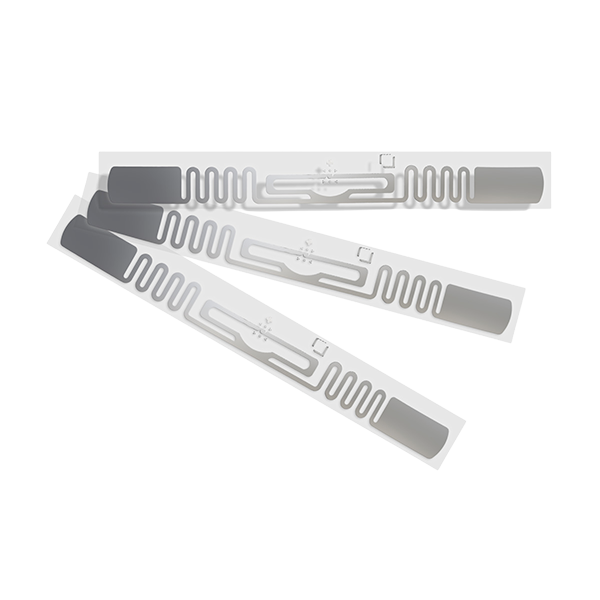
RFID labels for waste management - such as wet inlay RFID tags - are adhesive and designed for application on waste collection bags. They are made of PET, a flexible thermoplastic material that conforms well to the bag's surface and is resistant to cuts and adverse weather conditions.
Considered the best RFID tags for recycling bin tracking and applicable to bags, they are cost-effective, easy to apply during the production process, and thanks to their flexibility, they adapt to even full bags. The operating frequency is primarily UHF for long-distance reading.
Furthermore, during the production process, wet inlays can be installed in small bins, transforming them into smart bins.
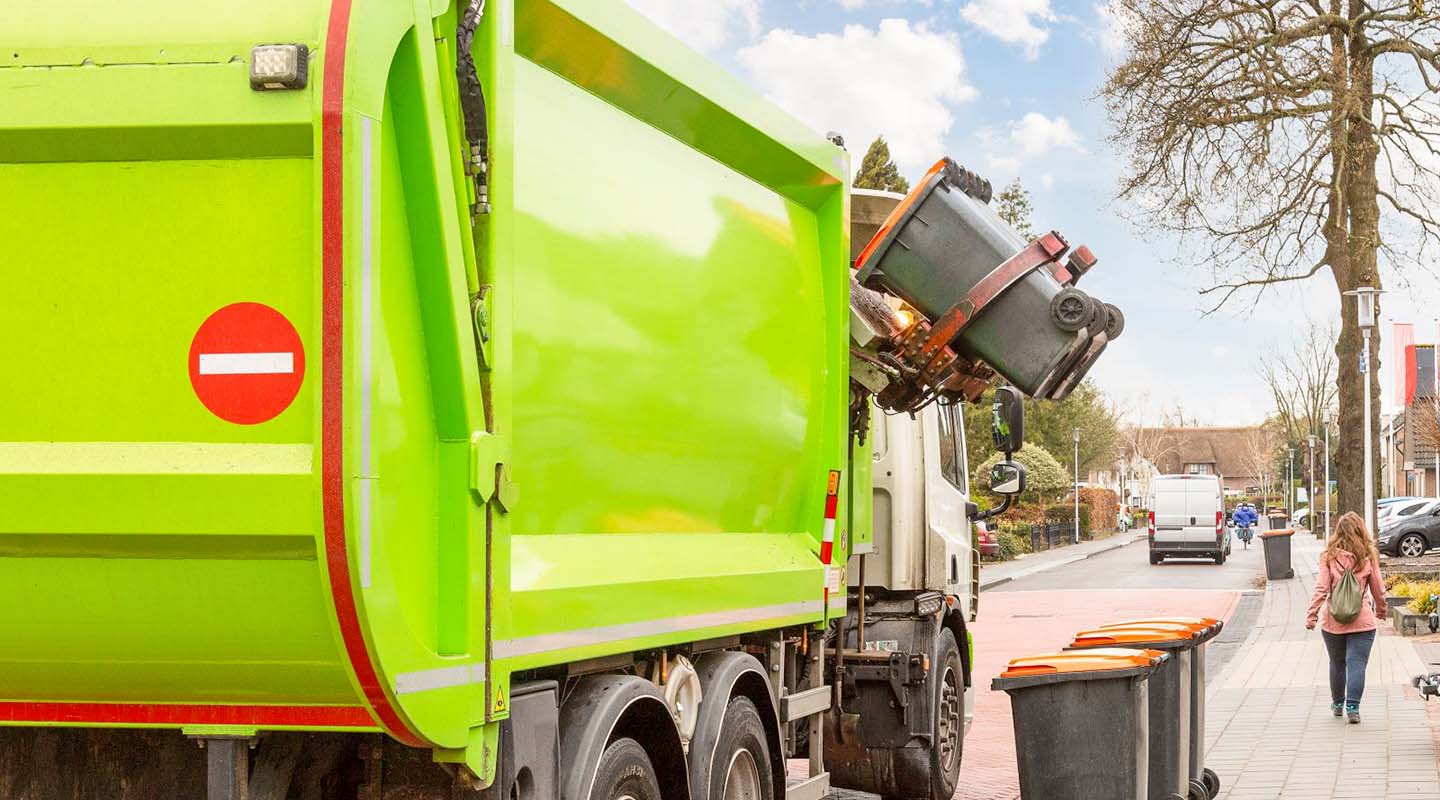
BENEFITS OF RFID TAGS IN URBAN WASTE COLLECTION

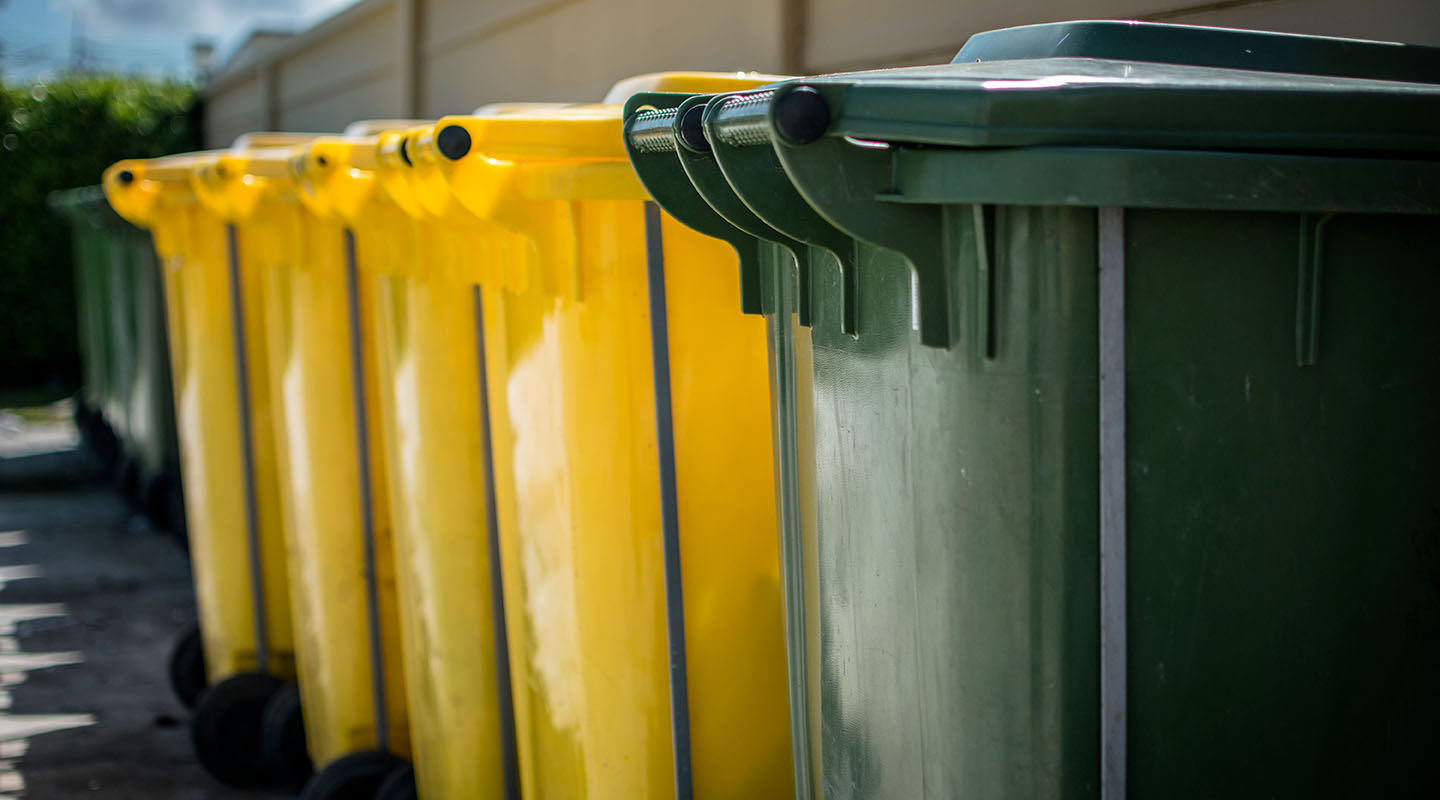
The use of RFID in waste collection brings significant benefits in terms of functionality and sustainability.

The use of RFID technology – such as RFID tags for pay-as-you-throw systems – for environmental purposes allows for accurate data collection, enabling a correct calculation of the pay-as-you-throw fee.

Data from RFID tag readings on collection flows is used to optimize routes and reduce working hours.

Thanks to real savings on the variable portion of the pay-as-you-throw fee, citizens are incentivized to correctly separate waste.

FAQS RFID TAGS FOR WASTE MANAGEMENT

Learn more about how RFID tags for waste management work, their characteristics, and why they can significantly improve waste collection.

How are RFID tags used in waste management?

RFID tags for waste are applied to bags and bins and are uniquely associated with users. The tag, read by a vehicle-mounted or a wearable RFID reader, allows the registration of the waste disposal for the calculation of the pay-as-you-throw fee.

RFID hard tags offer several advantages in waste management systems. They enable precise tracking of individual waste containers, allowing for accurate data collection on waste generation, collection routes, and recycling rates. Additionally, RFID hard tags facilitate the implementation of pay-as-you-throw systems, promoting sustainable waste management practices by encouraging residents to reduce their waste output.

RFID wet inlays are specifically designed for cuts and adverse weather conditions, making them ideal for waste management. By using RFID wet inlays on waste containers, municipalities can accurately track waste collection routes, optimize waste disposal, and implement pay-as-you-throw systems. 

RFID bin tags significantly enhance waste collection efficiency by enabling real-time tracking of individual waste containers. This technology provides granular data on waste generation, collection routes, and recycling rates, allowing for optimized waste collection schedules. By automating data collection and analysis, RFID bin tags reduce manual labor and errors, leading to more accurate billing and improved service delivery. 

Absolutely. RFID technology offers a seamless integration with PAYT systems, providing a precise and efficient method for tracking waste disposal. By attaching RFID tags to waste containers or bins or bags, municipalities can accurately measure the volume of waste generated by individual households or businesses. This data can then be used to implement a more equitable waste management system.

RFID hard tags are typically affixed to waste containers using a variety of methods, depending on the specific container material and environmental conditions. Common attachment methods include adhesive backing, mechanical fasteners (such as screws or rivets), or embedded within the container material during manufacturing. The choice of attachment method is influenced by factors such as the tag’s durability requirements, the container’s surface properties, and the desired level of security against tampering.

Wet inlays consist of a chip and an antenna encapsulated in a waterproof material, often with a pre-applied adhesive backing. This makes them easy to attach to various surfaces, including those that may be exposed to harsh environments. In contrast, RFID hard tags have a more rigid structure and the methods of attachment are like screws or rivets. Both wet inlays and hard tags serve for identifying and tracking objects.

RFID tags significantly enhance tracking within waste collection and disposal processes. By attaching these tags to individual waste containers or bins, we can accurately monitor their movement from the point of generation to the final disposal site. This real-time data provides valuable insights into waste generation patterns, collection routes, and recycling rates, enabling us to optimize waste management operations. The RFID technology can streamline collection routes, reduce operational costs, and improve overall efficiency.

Drag & Drop Files, Choose Files to Upload
Nome candidato
Drag & Drop Files, Choose Files to Upload